Intradermal Rabies Vaccination: The Smarter, Faster, and More Affordable Way to Travel Safe
A Specialist Guide for Christchurch Travellers — Now Available at 1 Health Wigram
For many New Zealanders planning a "bucket list" trip to Southeast Asia, South America, or Africa, the excitement of the itinerary is often dampened by the reality of travel vaccination costs. Among these, the rabies vaccine has traditionally been one of the most expensive. Because of the high price, many Kiwis choose to "take the risk," hoping they won’t have a run-in with a stray dog in Bali or a monkey in Thailand.
At 1 Health Wigram, we believe that life-saving protection shouldn't be a financial burden.
We have pioneered the use of Intradermal (ID) Rabies Vaccination in Christchurch—a technique that provides the same gold-standard protection as traditional injections but at a fraction of the cost.
In this guide,
Dr. Bernard Teo explains the science behind the "fractional dose" method, why it’s a game-changer for budget-conscious travellers, and how we’ve made our Wigram clinic the go-to hub for travel medicine in Canterbury.
1. The Problem with the "Old Way": Why Rabies Vaccines Were So Expensive
Traditionally, rabies pre-exposure prophylaxis (PrEP) was administered via the Intramuscular (IM) route—a full 0.5ml or 1.0ml vial injected into the deltoid muscle of the arm.
Because each person required their own individual vial for every dose, the costs climbed quickly. For a family of four or a backpacker on a tight budget, the "standard" vaccine course could often cost as much as their return flights. This financial barrier led many travellers to skip the vaccine entirely, leaving them vulnerable to a disease that is 100% fatal once symptoms appear.
2. What is Intradermal (ID) Vaccination?
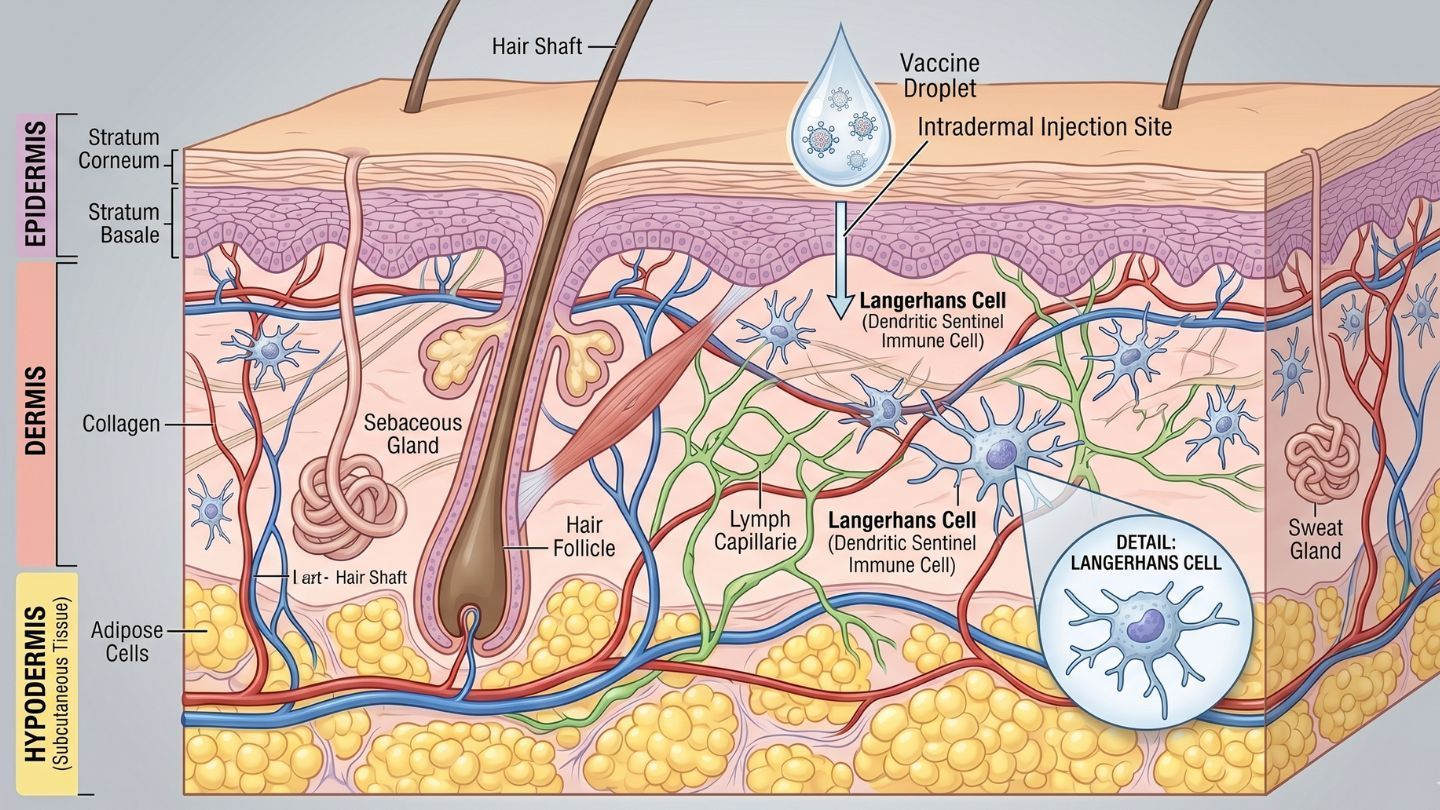
Intradermal vaccination is not a "new" science, but it is a highly specialised one. Instead of injecting the vaccine deep into the muscle, a much smaller "fractional" dose is injected into the dermis—the thick layer of skin just below the surface.
Why the skin is better than the muscle: The skin is one of the most "immunologically active" parts of the human body. It is packed with specialised cells called Dendritic Cells (specifically Langerhans cells), which are the "sentries" of your immune system. These cells are much more efficient at detecting the vaccine and triggering an immune response than the cells found in muscle tissue.
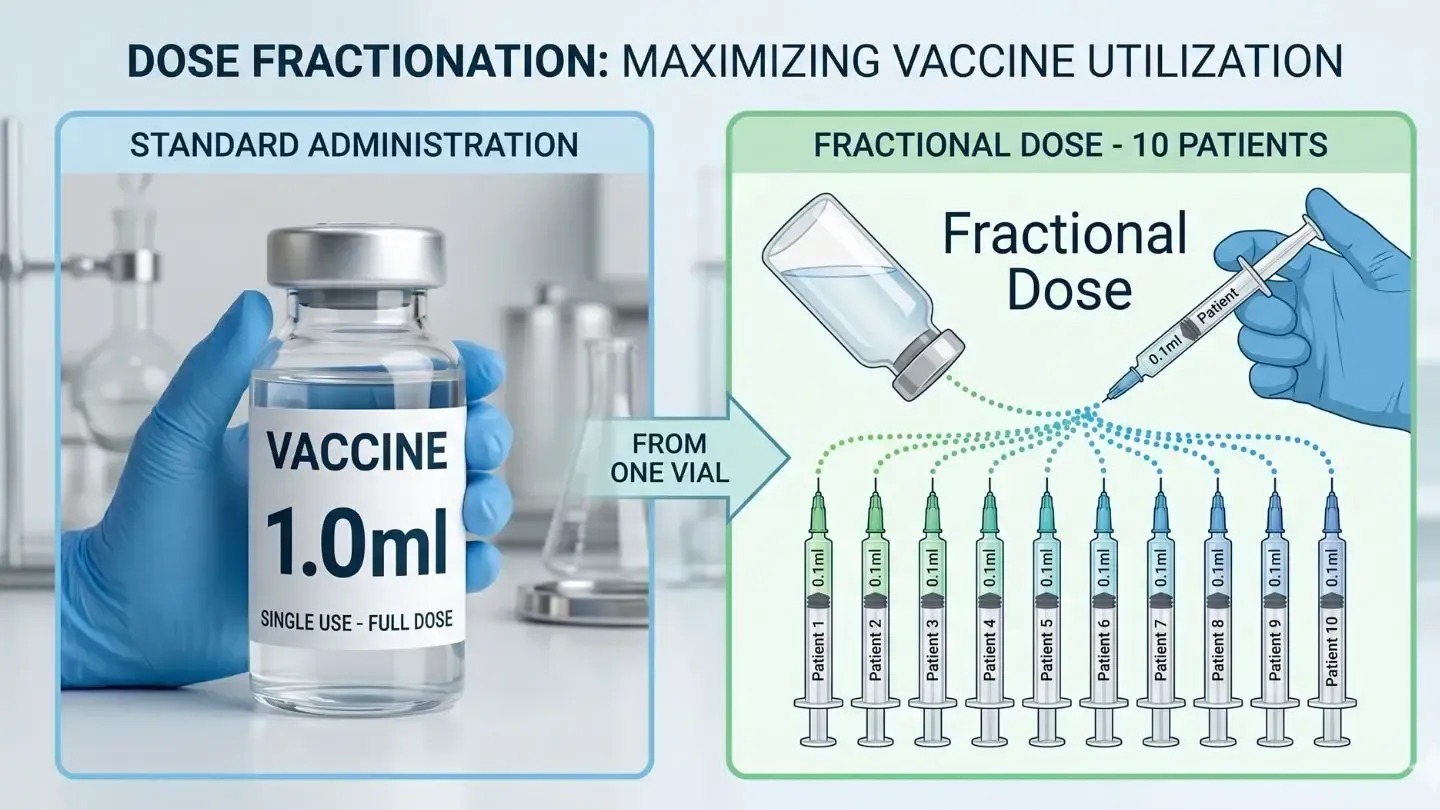
Because the skin is so effective at processing the vaccine, we only need a small amount (typically 0.1ml) to achieve the exact same level of antibody protection as a full 1.0ml intramuscular injection.
3. The Benefits: Why Choose 1 Health Wigram for ID Rabies?
Significant Cost Savings
By using the ID method, we can "share" a single vial of vaccine between multiple patients or utilize fractional doses across our clinic schedule. We pass these savings directly to you. For Christchurch travellers, this often means the cost of being fully protected is reduced by 50% or more compared to traditional clinics.
Equivalent Protection (WHO Approved)
The World Health Organization (WHO) has officially recommended the Intradermal route as a safe, effective, and "dose-sparing" alternative since 1992. Research consistently shows that ID vaccination produces the same long-term "immune memory" as the more expensive IM route.
Specialist Administration
Not every GP clinic can offer ID rabies shots. The technique requires a "mantoux-style" injection that creates a small bleb (blister) on the skin. It requires specific training and steady hands. At 1 Health, our Specialist Travel Nurse is specifically trained in this technique under the oversight of Dr. Bernard Teo, ensuring your dose is delivered with clinical precision.
4. Who Should Consider the ID Rabies Vaccine?
If you are living in Christchurch, Wigram, Hornby, or Halswell, and you are planning any of the following, this vaccine is for you:
The Southeast Asia Backpacker: If you are spending weeks in Bali, Vietnam, or Cambodia, you will be in high-contact areas with stray animals.
The Adventure Traveller: Trekkers in Nepal or those visiting rural villages in India where medical help is hours (or days) away.
Expatriates and Long-Term Volunteers: If you are moving overseas for work or NGOs, pre-vaccination is an essential "insurance policy."
Families with Children: Children are at the highest risk for rabies because they are more likely to play with animals and may not report a small "nip" or scratch to their parents. The ID route makes protecting a whole family much more affordable.
5. Corporate Travel: Protecting Your Christchurch Workforce
Many Christchurch-based businesses in the engineering, agriculture, and construction sectors send staff to developing nations for project work. As an employer, you have a duty of care to ensure your team is protected.
The 1 Health Corporate Play: We offer specialized corporate billing and group booking slots. By sending your team to our Wigram clinic for ID vaccinations, your business can significantly reduce its occupational health costs while ensuring your staff receives the highest level of specialist care.
6. The "Group Play": Save More with Friends
Because the ID method involves "sharing" the clinical resources of a vaccine vial, we encourage travellers to book together.
The Logic: If you and a travel partner book your appointments at the same time, we can streamline the administration process.
The Result: Even further savings for your travel budget.
7. What to Expect During Your Consult
A travel consultation at 1 Health Wigram is more than just a "jab."
Risk Assessment: We look at your specific itinerary. Are you staying in 5-star hotels in Singapore, or are you biking through rural Laos?
The Procedure: The ID injection is very shallow. It feels like a small "pinch" and creates a tiny, temporary bump on the skin that disappears within a few hours.
The Schedule: The modern WHO-approved schedule for Pre-Exposure Prophylaxis (PrEP) is now just two doses—given on Day 0 and Day 7. This means you can be fully protected in just one week.
Education: We teach you exactly what to do if you are bitten, even though you’ve been vaccinated (the "Two-Dose Rule").
8. What to Pack for Your Consult (Checklist)
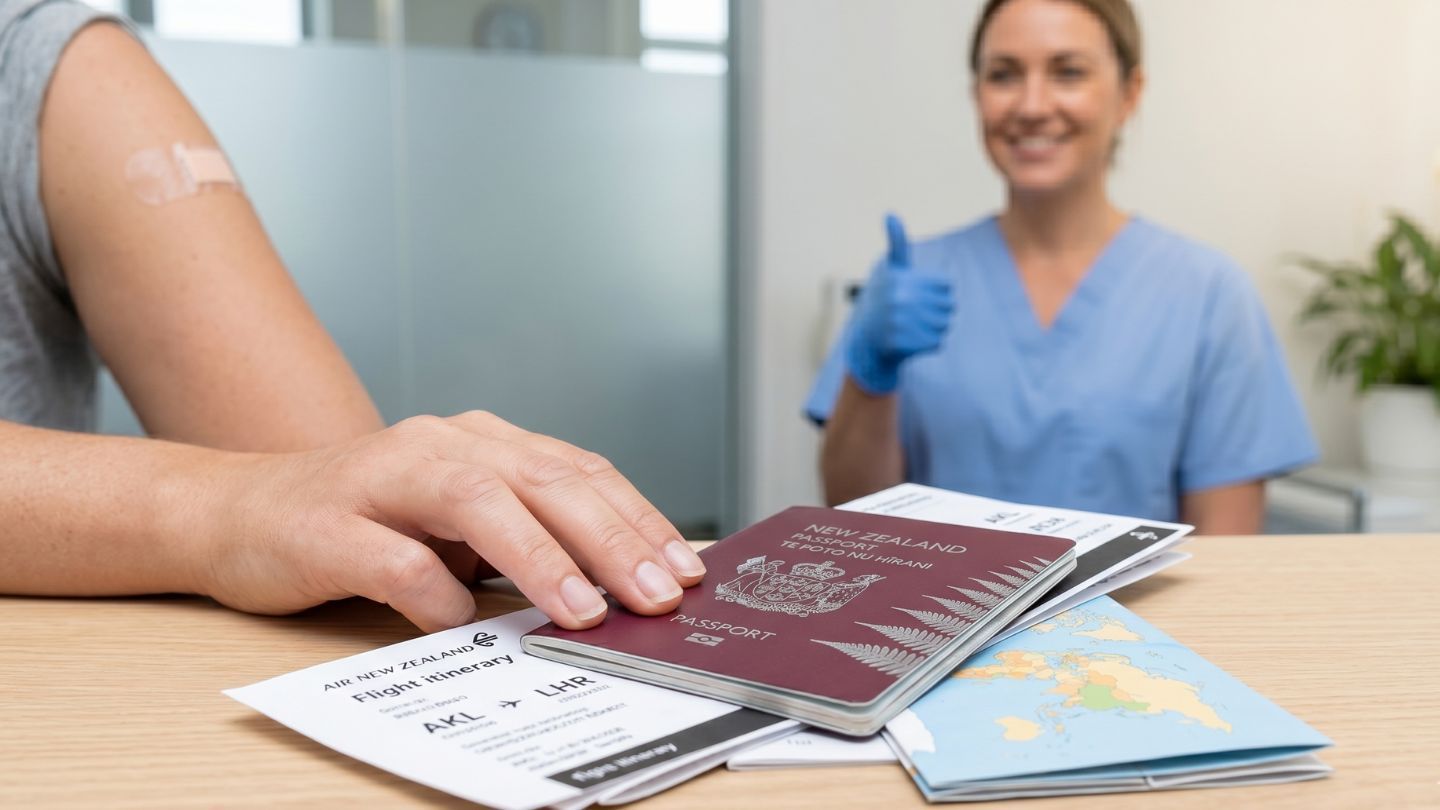
To help us provide the best care, please bring the following to your Wigram clinic appointment:
- Your Itinerary: Exactly where are you going and for how long?
- Previous Vaccination Records: Have you had rabies shots or any other travel vaccines before?
- Medical History: Any allergies or immune-suppressing medications we should know about?
9. FAQ: Common Questions About ID Rabies
"Is it as safe as the muscle injection?" Absolutely. The vaccine used is exactly the same; only the delivery method and dose change. The safety profile is identical.
"What if I’ve already had one dose of the muscle (IM) vaccine?" In many cases, we can complete your course using the ID method. We will review your records during your consult to ensure the transition is clinically sound.
"Do I still need to go to the hospital if a dog bites me?" Yes. Even if you are pre-vaccinated, you need two "booster" doses if you are exposed. However, because you had the ID shots at 1 Health, you will not need Rabies Immunoglobulin (RIG), which is the most expensive, rarest, and most difficult part of treatment to find overseas. This is the true "life-saving" benefit of being pre-vaccinated.
Don’t Gamble with Your Health
Rabies is a "zero-chance" disease—you cannot afford to get it wrong. But you also shouldn't have to break the bank to stay safe.
By choosing 1 Health Wigram for your travel vaccinations, you are choosing a clinic that combines specialist GP expertise with modern, affordable delivery methods. Whether you are a student heading to Bali or a professional heading to Africa, let us help you travel with confidence.
Christchurch’s most affordable and expert travel clinic is right here in Wigram.
Have Questions About Your Health?
Our clinicians at 1 Health are here to help — whether it’s GP care, dental, travel vaccines, or facial aesthetics. Book a consultation anytime.
Book Online:
https://www.1health.nz/contact
Call:
Disclaimer:
This article is for general information only and is not medical advice. Every person’s health situation is different. For personalised guidance or diagnosis, please consult a qualified clinician.