Rectal Bleeding & Changes in Bowel Habits — What You Need to Know
Published by 1 Health Medical Centre, Wigram, Christchurch Written by Dr. Jimmy Tiong (Consultant Gastroenterologist & Hepatologist) and Dr. Bernard Teo (GP)
Noticing blood when you go to the toilet, or realising your bowel habits have changed, can be unsettling. You're not alone — these are among the most common reasons people visit their GP. The good news is that in many cases, the cause is straightforward and very treatable.
But because these symptoms can occasionally point to something more serious, they always deserve proper assessment. This guide explains what might be causing your symptoms, when to act, and how 1 Health and our specialist partner JT Gastro can help you get the right answers quickly.
What Is Rectal Bleeding?
Rectal bleeding refers to any blood passed from the back passage (anus). It can be visible on toilet paper, dripping into the toilet bowl, or mixed through your stool. Blood in the stool can appear in different ways, and the appearance often gives important clues about the source:
- Bright red blood: Usually comes from the lower bowel, rectum, or anus; often associated with haemorrhoids or anal fissures.
- Dark red or maroon blood: May suggest bleeding higher up in the large bowel, such as from diverticular disease.
- Black, tar-like stools (melaena): Can indicate bleeding from the stomach or upper digestive tract and needs urgent attention.
- Occult (hidden) bleeding: Blood not visible to the naked eye, only detected on stool tests; may be picked up through the national bowel screening programme.
Common Causes of Rectal Bleeding
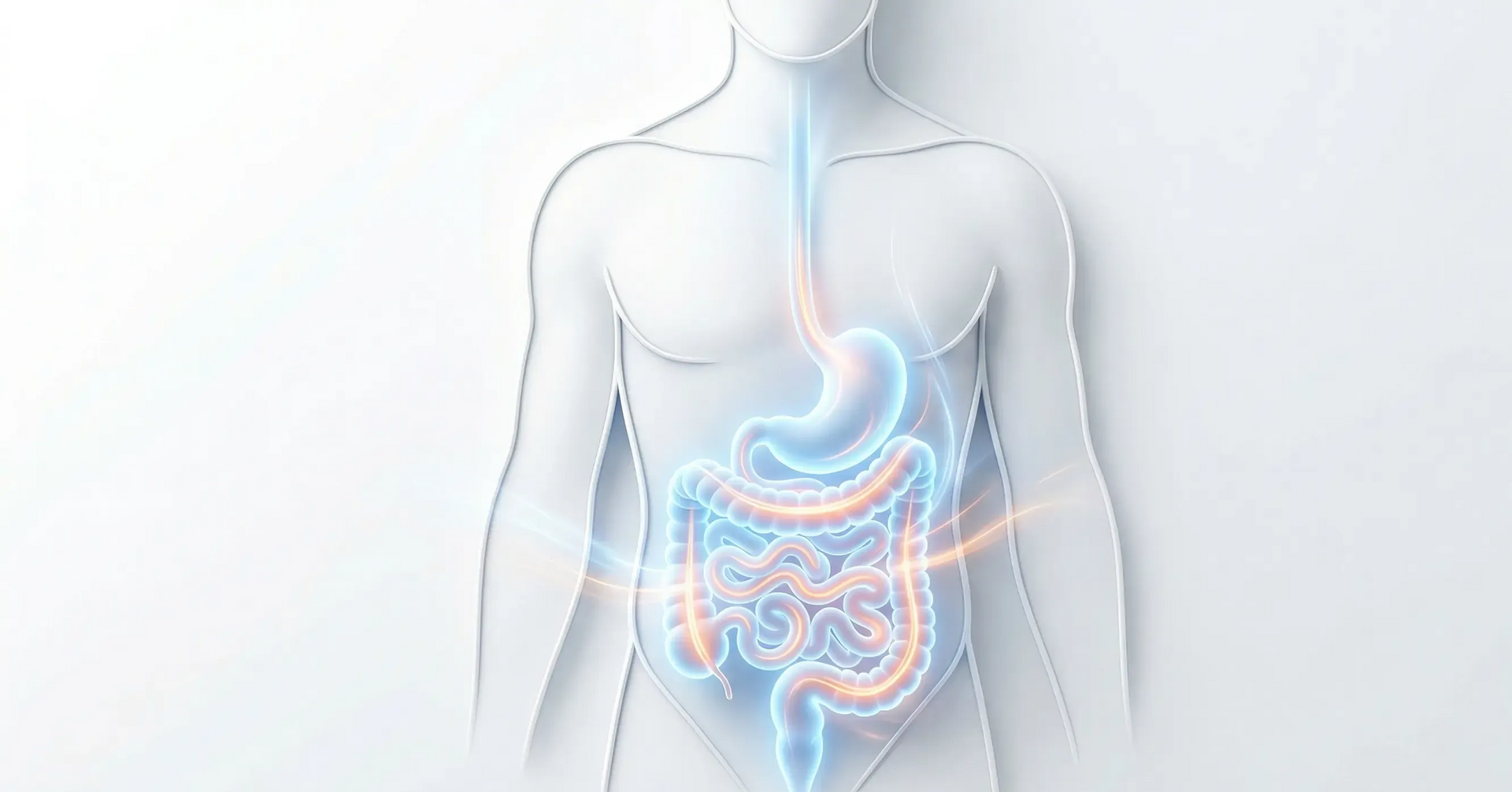
Most cases of rectal bleeding have a benign (non-cancerous) cause. Common causes include:
Haemorrhoids (Piles)
Haemorrhoids are swollen veins inside the rectum or around the anus — similar to varicose veins. They are the most common cause of rectal bleeding in New Zealand. Typical signs include bright red blood on the toilet paper or in the bowl, and sometimes itching or discomfort. They are usually easily managed with dietary changes and topical treatments.
Anal Fissure
An anal fissure is a small tear in the lining of the anal canal. It typically causes sharp pain during and after passing a bowel motion, accompanied by streaks of bright red blood. Fissures often arise after passing hard stools.
Diverticular Disease
Diverticula are small pouches that develop in the wall of the large bowel. When they become inflamed or bleed, they can cause significant rectal bleeding — sometimes dark red in colour — and lower abdominal pain.
Inflammatory Bowel Disease (IBD)
Crohn's disease and ulcerative colitis cause ongoing inflammation in the digestive tract. They typically present in younger adults with symptoms including diarrhoea, blood or mucus in stools, cramping, weight loss, and fatigue.
Bowel Polyps
Polyps are small growths on the lining of the bowel. Most are benign, but some types can develop into bowel cancer if not detected and removed. They are usually found and removed during a colonoscopy.
Colorectal (Bowel) Cancer
Bowel cancer is one of the most important causes of rectal bleeding to rule out. It is highly treatable when caught early. New Zealand has one of the highest rates of bowel cancer in the world, making awareness and early detection critically important.

Changes in Bowel Habits — What to Look Out For
A change in bowel habits means your bowel movements are noticeably different from your usual pattern.
This might include:
- Going to the toilet more often than usual.
- Looser or more watery stools (diarrhoea) lasting more than a few weeks.
- Constipation that is new or getting progressively worse.
- Feeling that your bowel hasn't fully emptied (incomplete evacuation).
- Pencil-thin or narrow stools.
A brief change during an illness or diet shift is usually normal. It is persistent change — especially lasting more than six weeks — that warrants prompt medical review.
When to Seek Urgent Medical Attention
Call 111 or visit the emergency department immediately if you experience:
- Heavy, uncontrolled rectal bleeding.
- Black, tarry, foul-smelling stools.
- Bleeding accompanied by dizziness, fainting, or rapid heartbeat.
- Severe abdominal pain.
Red Flag Symptoms — Book a GP Appointment
Even if your symptoms are not an emergency, these "red flags" need a thorough GP assessment:
- Rectal bleeding lasting more than a few weeks.
- Bleeding with iron deficiency anaemia (feeling tired or pale).
- Change in bowel habit lasting more than six weeks (especially if you are 50+).
- Unexplained weight loss.
- A lump felt in the abdomen or anus.
- A significant family history of bowel cancer.
Bowel Cancer in New Zealand
New Zealand has one of the highest rates of bowel cancer in the world, with over 3,000 diagnoses annually. It is the second most common cause of cancer death in NZ.
The Good News: Bowel cancer is highly treatable when detected early. Survival rates improve substantially when found before it has spread. Early-onset colorectal cancer (under 50) is also increasing, so don't assume your age means you are at zero risk.
How 1 Health Can Help
If you are concerned, a GP consultation at 1 Health is the right first step. Our GPs will:
- Take a thorough history of your symptoms.
- Perform a professional clinical examination.
- Order relevant blood or stool tests (FIT tests).
- Refer you to a specialist for a colonoscopy or gastroscopy if required.
We are open 7 days a week in Wigram to ensure you can have these important conversations without being rushed.
Private Access & Priority Colonoscopy: JT Gastro
If your symptoms require further investigation, waiting times in the public system can be lengthy. 1 Health refers directly to our specialist partner, JT Gastro, led by Consultant Gastroenterologist Dr. Jimmy Tiong.
- Gold Standard Care: AI-assisted polyp detection and high-definition imaging
- Exceptional Detection Rates: An Adenoma Detection Rate (ADR) of over 50%—well above the international benchmark.
- Priority Access: Faster answers for Southern Cross and self-funding patients.
Self-Care Tips While You Wait
- Increase Fibre: Fruits, vegetables, and wholegrains help soften stools.
- Stay Hydrated: Aim for 6–8 glasses of water daily.
- Avoid Straining: Speak to a pharmacist about gentle stool softeners if needed.
- Keep a Diary: Note the nature of the blood and when it occurs to help your GP.
Proactive Health Screenings For Peace Of Mind
Persistent changes in your body should never be ignored. Our comprehensive medical reviews screen for early indicators of cardiovascular issues, metabolic health, and internal wellness. [Learn More About Our Full Health Checks]
Disclaimer
This article is for general health information only and does not constitute medical advice or diagnosis. Always seek the advice of a qualified health professional before making health decisions. If experiencing severe symptoms, call 111 immediately.
Have Questions About Your Health?
Our clinicians at 1 Health are here to help — whether it’s GP care, dental, travel vaccines, or facial aesthetics. Book a consultation anytime.
Book Online:
https://www.1health.nz/contact
Call:
Disclaimer:
This article is for general information only and is not medical advice. Every person’s health situation is different. For personalised guidance or diagnosis, please consult a qualified clinician.