Skin Lesion Excisions at 1 Health: A Complete Guide to Assessment, Treatment, and Aftercare
At 1 Health in Christchurch, our comprehensive approach to skin lesion removal ensures that each patient receives personalised care tailored to their specific needs.
Whether you're concerned about a changing mole, a new growth, or a lesion that needs professional evaluation, understanding the full process—from initial assessment through recovery—can help you feel confident about your decision to pursue treatment.
This guide walks you through everything you need to know about skin lesion excisions at our clinic, including how we assess your skin, the procedures available, and what to expect during your recovery.
Understanding Your Skin and Skin Lesions
Skin lesions are changes to your skin that can range from completely benign (harmless) to concerning. Common types include moles, cysts, warts, and skin growths that appear for various reasons including sun exposure, age, genetics, or infection.
While many skin lesions are harmless, some warrant professional evaluation to rule out skin cancer or ensure they don't develop into something problematic. At 1 Health, we take a systematic and reassuring approach to evaluating every lesion you bring to us.
Initial Assessment: The Foundation of Safe Treatment
Understanding Your Medical History
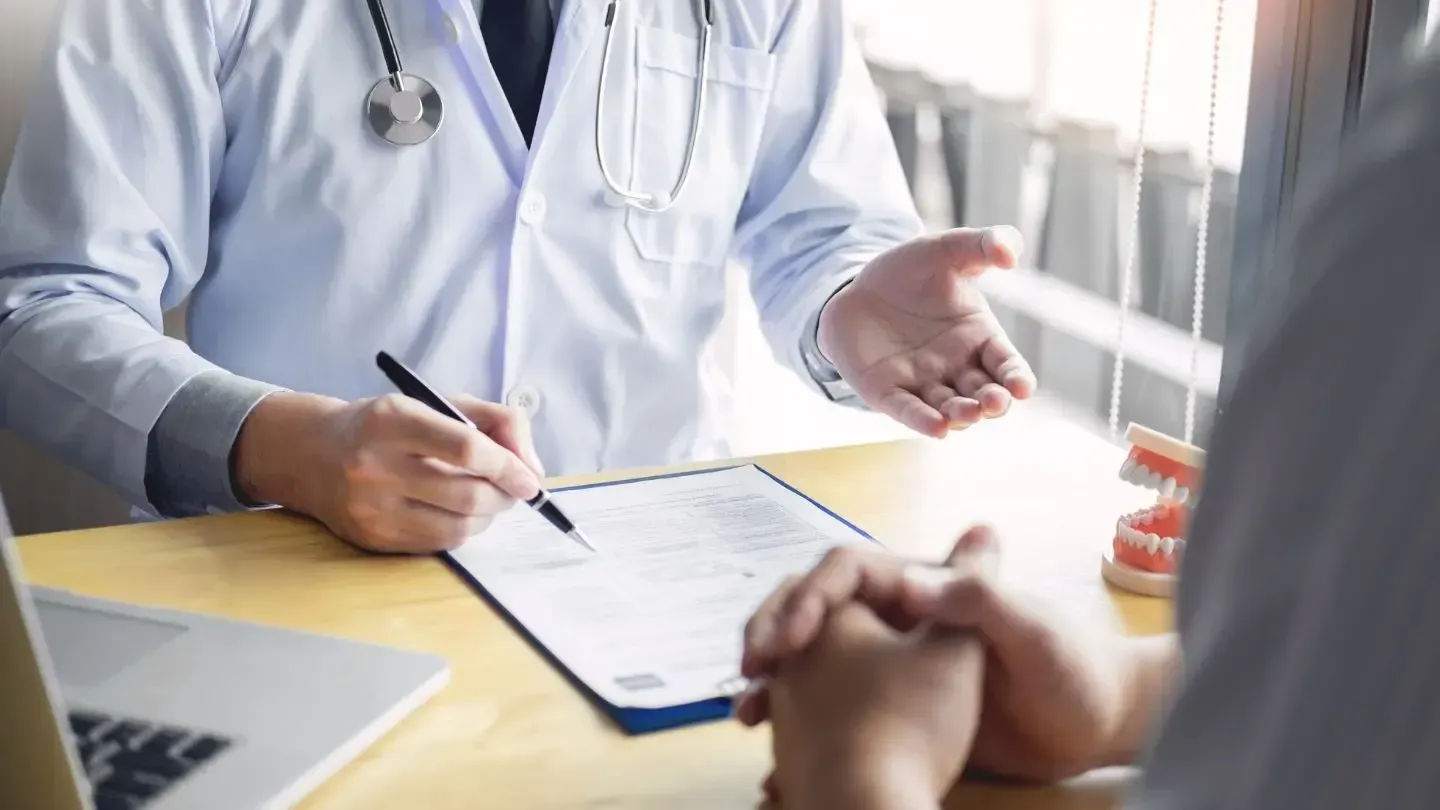
Before we discuss any procedure, we conduct a thorough assessment starting with your medical history. This conversation is crucial because certain factors can affect how your skin heals and how we approach the excision. We ask about:
- Previous skin cancers or concerning lesions you've had removed
- Your family history of skin cancer
- How much time you spend in the sun
- Medications affecting bleeding (like aspirin or blood thinners)
- Underlying medical conditions such as diabetes
- Allergies to local anaesthetics
Where Your Lesion is Located Matters
The anatomical location of your skin lesion significantly influences how we'll approach the excision. Lesions on the face, hands, or other visible areas require particularly careful technique to ensure the best cosmetic outcome.
Dermoscopy: Seeing Beneath the Surface
One of the key tools we use during our Skin Checks is a dermatoscope, which is essentially a specialized magnifying glass with built-in illumination. Think of it as the "stethoscope" of dermatology—it allows us to see detailed structures within your skin that aren't visible to the naked eye.
Using dermoscopy, we examine specific features of your lesion including:
- Borders and edges: Are they well-defined or irregular?
- Pigment patterns: Are there networks, dots, or globules?
- Vascular structures: What types of blood vessels are visible?
For lesions that appear entirely benign, dermoscopy provides reassurance and baseline comparison images should you want to monitor the lesion over time.
Discussing Your Treatment Options
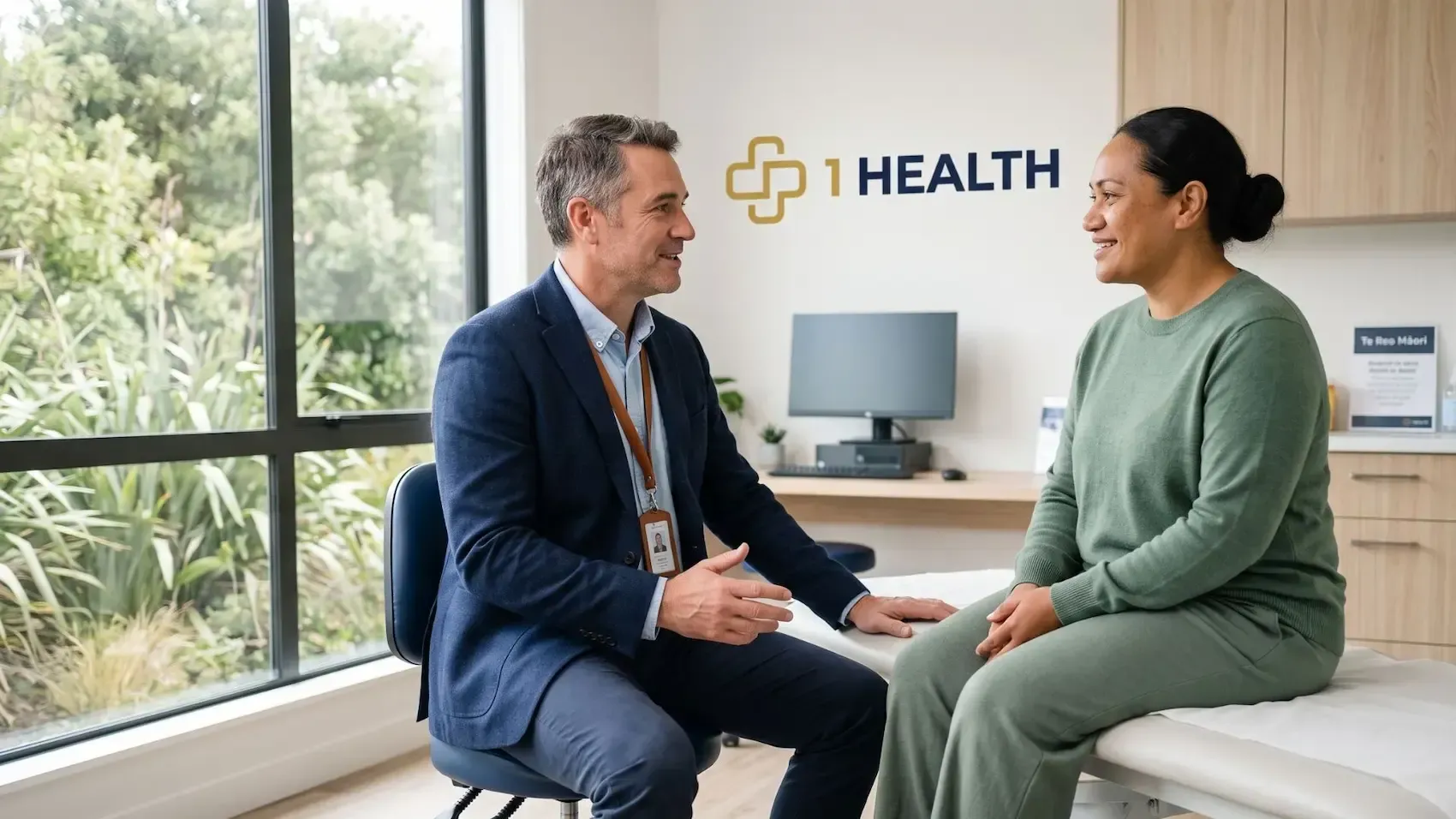
At 1 Health, we believe in shared decision-making. After examining your lesion, Dr. Bernard Teo will discuss the available options and recommend the approach that best suits your situation.
1. Reassurance and Monitoring
For lesions that appear completely benign, sometimes the best option is reassurance and self-monitoring. We'll explain what features to watch for and encourage you to return if the lesion changes.
2. Punch Biopsy
A punch biopsy is a small, minimally invasive procedure where we remove a small circular sample of the lesion (typically 4–6mm) to send for analysis. This is useful when the diagnosis is uncertain, or you want to confirm the nature of a lesion before deciding on full removal.
3. Excisional Removal
For most pigmented lesions and suspected skin cancers, excisional removal is the recommended approach. This means we remove the entire lesion along with a margin of normal-appearing skin around it to ensure complete diagnosis and prevent recurrence.
The Excision Technique: Surgical Excellence at 1 Health
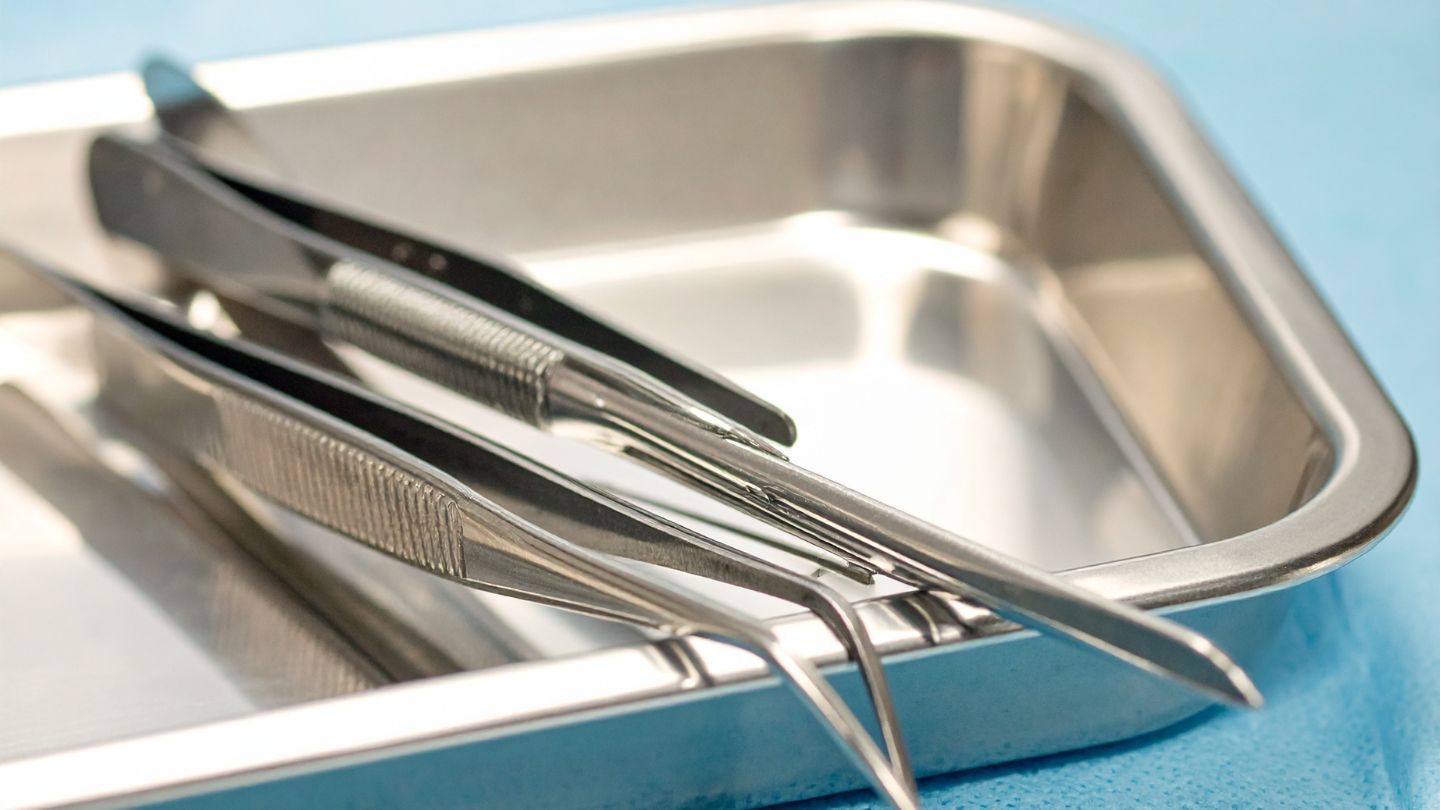
When we've decided that excision is appropriate, the first step is carefully marking the lesion and determining proper margins. Dr. Teo, with his postgraduate Diploma in Dermatology and Skin Cancer Surgery, has advanced training beyond standard GP-level excision. This expertise means he can handle complex cases that many general practices would need to refer elsewhere.
Wound Closure Options
One unique advantage of Minor Surgery at 1 Health is our approach to closing the wound. While most standard GP practices close simple lesions with basic suturing, Dr. Teo can utilize sophisticated methods:
- Elliptical Closure: For straightforward lesions, resulting in a thin, linear scar that blends with skin lines.
- Flap Reconstruction: For complex cases where there is insufficient loose skin, we may reposition surrounding skin to close the defect while maintaining blood supply.
- Skin Grafting: In some cases, a thin sheet of skin from another part of your body may be used to cover the excision site.
Managing Procedure Anxiety: IV Sedation
We understand that skin procedures can provoke anxiety for some patients, particularly if they have a fear of needles.
At 1 Health, we offer IV Sedation for patients who want a more comfortable experience. Administered safely in our clinic, IV sedation allows you to feel deeply relaxed and separated from the procedure, often with little memory of the event itself.
Note: If you choose IV sedation, you will need someone to drive you home.
Aftercare: Supporting Optimal Healing
Your aftercare during the first two weeks is critical to optimal wound healing.
Days 0–14 (Immediate Post-op)
- Rest the area: Avoid stretching or heavy lifting.
- Keep clean: Keep the wound clean and dry for the first two days.
- Pain relief: Use paracetamol (Tylenol) if needed. Avoid aspirin or ibuprofen as these can increase bleeding risk.
Scar Management
Starting 2–3 months after surgery, we can optimize the cosmetic appearance of your scar using:
- Scar Taping: Specialised surgical tape applied to flatten the scar.
- Silicone Gel: Evidence-based products to reduce scar thickness and improve texture.
- Massage: Gentle massage (after sutures are removed) to promote tissue remodeling.
Why Choose 1 Health for Skin Lesion Excision?
We don't take a one-size-fits-all approach. By combining advanced surgical techniques (like flaps and grafts) with the option for IV Sedation and onsite liquid nitrogen therapy, we can treat complex conditions that would otherwise require a hospital referral.
If you have a mole or skin lesion that concerns you, please
book a consultation with Dr. Teo at 1 Health today.
Contact Information
- Email (with photos):
nurse@1health.nz
- Phone: 03 662 9309
- Location: 1 Henry Wigram Drive, Christchurch
Have Questions About Your Health?
Our clinicians at 1 Health are here to help — whether it’s GP care, dental, travel vaccines, or facial aesthetics. Book a consultation anytime.
Book Online:
https://www.1health.nz/contact
Call:
Disclaimer:
This article is for general information only and is not medical advice. Every person’s health situation is different. For personalised guidance or diagnosis, please consult a qualified clinician.