Emergency Dentist & After-Hours Dental Care In Christchurch: What To Do And When To Act
Dental emergencies are notorious for their timing. They rarely occur during a quiet Tuesday morning; instead, acute tooth pain, fractured restorations, or sudden oral trauma invariably strike on a Friday evening, over a weekend, or right before a major public holiday. When severe oral pain or structural injury occurs, the resulting anxiety can be overwhelming. Knowing whether your symptoms require an immediate after-hours dentist or if they can be safely managed at home until standard business hours is crucial for your health, your peace of mind, and your recovery.
At 1Health Dental in Wigram, we provide a structured, transparent, and highly responsive emergency dental service for the wider Christchurch community. This comprehensive guide outlines what officially constitutes a true dental emergency, immediate first-aid protocols you can perform at home, and what to expect when you require urgent clinical intervention.
What Classifies As A True Dental Emergency?
Not all dental issues require immediate, middle-of-the-night emergency intervention, but delaying care for a true emergency can lead to systemic infections, permanent tooth loss, or extensive surgical complications down the road. If you are experiencing any of the following symptoms, you are dealing with a clinical emergency and should seek urgent care:
1. Severe, Unremitting Pain And Throbbing
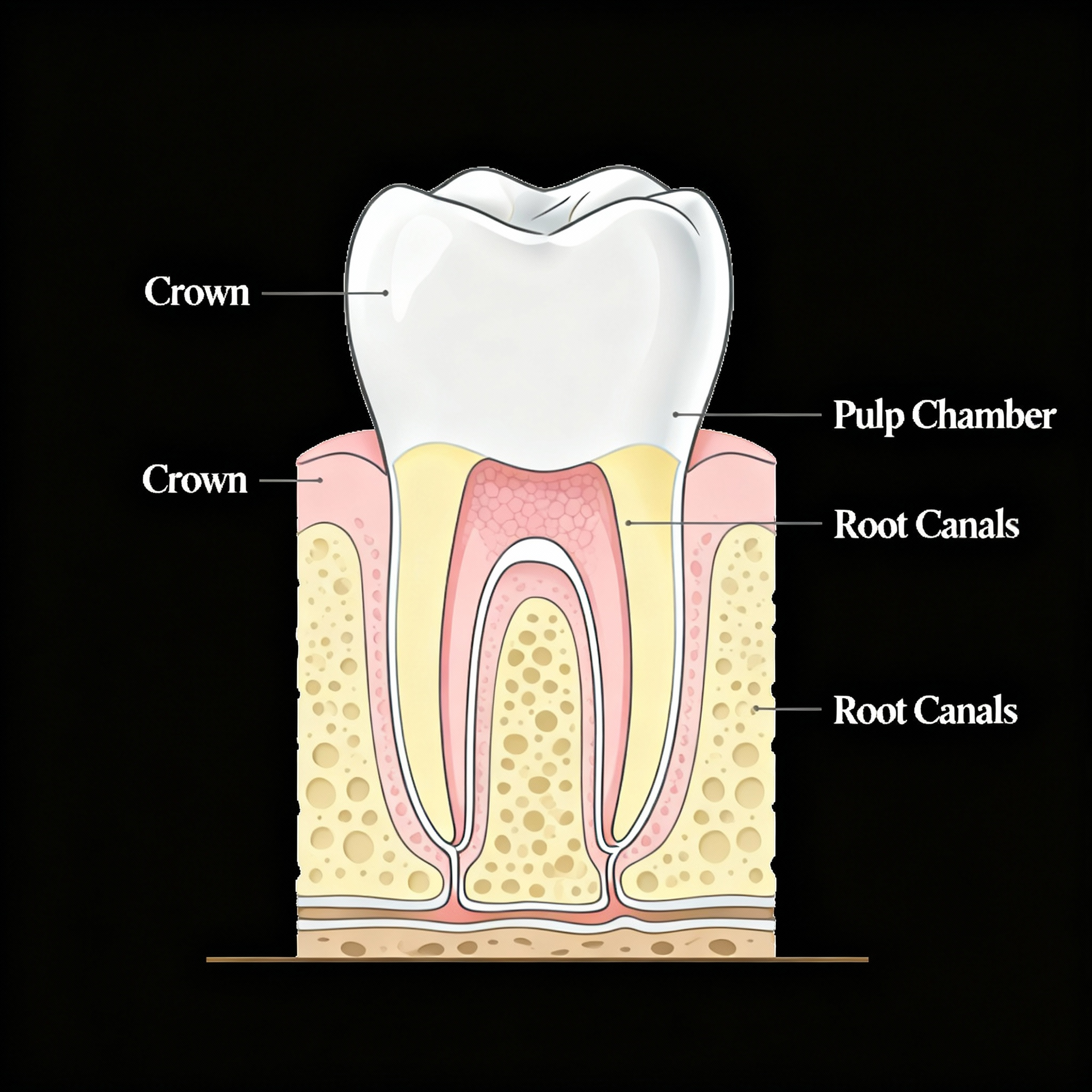
If you have localized dental pain that is so intense it prevents you from sleeping, working, or functioning, and it fails to respond to standard over-the-counter pain relief, it indicates deep underlying pathology. This is frequently a sign of acute pulpitis (severe inflammation of the nerve inside the tooth) or an advanced bacterial infection that requires immediate professional decompression.
2. Visible Facial Swelling Or A Dental Abscess
Swelling around your jawline, cheek, or beneath the eye is a critical clinical warning sign. A dental abscess is a localized collection of pus caused by a bacterial infection that can rapidly spread into the surrounding deep tissues of the face, neck, or bloodstream. If facial swelling is accompanied by difficulty swallowing or breathing, it is a life-threatening medical emergency requiring immediate hospital emergency department evaluation.
3. A Knocked-Out (Avulsed) Permanent Tooth
If a permanent adult tooth is completely knocked out due to a sports injury, fall, or physical trauma, time is the absolute defining factor. There is a narrow 30-to-60-minute clinical window to successfully replant the tooth back into the alveolar bone socket before the delicate periodontal ligament cells die permanently.
4. Uncontrolled Or Persistent Bleeding Following An Injury
While minor bleeding from a lightly bitten lip or superficial gum scratch often settles quickly on its own, continuous, heavy bleeding from the oral cavity following facial trauma or a recent complex dental extraction requires professional packing, pressure, and potentially suturing to achieve stable haemostasis.
Common Non-Emergencies That Can Safely Wait
While highly inconvenient and uncomfortable, certain dental issues do not pose an immediate threat to your long-term health and can generally be scheduled during normal clinic hours within 24 to 48 hours:
- Minor Chipped Or Cracked Teeth: If a tooth chips but there is absolutely no physical pain, bleeding, or sharp edges cutting your tongue, it can safely wait for a routine restoration appointment.
- Dull, Intermittent Aches: Mild sensitivity to hot or cold fluids that evaporates quickly and responds well to standard paracetamol or ibuprofen is usually indicative of an early cavity or minor gum recession rather than an acute emergency.
- Lost Crowns, Bridges, Or Fillings: While structurally compromised and visually frustrating, a lost filling or loose crown without severe underlying pain is not an immediate emergency, provided you keep the area clean and avoid chewing on that side of your mouth.
Immediate First Aid For Common Dental Emergencies
If you find yourself facing an acute dental crisis in Christchurch, executing proper immediate first aid can drastically improve the chances of saving your tooth and reducing localized tissue damage before you reach our Wigram clinic:
How To Manage A Knocked-Out Tooth
Handle the tooth strictly by the crown (the chewing surface), and never touch the root. Touching the root damages the microscopic cells needed for successful reattachment. If the tooth is dirty, rinse it gently under cold water for ten seconds, but do not scrub or use chemicals. If possible, gently place the tooth back into its original socket and bite down softly on a clean tissue to hold it in place. If it cannot be reinserted, submerge the tooth completely in a small container of fresh milk or the patient's own saliva. Do not store the tooth in plain tap water, as this causes the root cells to burst and die.
Managing Severe Swelling And Fractures
Rinse your mouth thoroughly with warm salt water to cleanse the area and clear out loose debris. Apply a cold compress or ice pack wrapped in a soft towel to the outside of your cheek or jaw for 15 minutes at a time. This reduces rapid fluid buildup, numbs acute nerve pain, and controls localized bruising. Take over-the-counter anti-inflammatory medication strictly according to the package instructions, and avoid placing aspirin tablets directly against the aching gums, as this causes severe chemical burns on the delicate soft tissue.
The 1Health Emergency Process And Transparent Pricing
At 1Health Dental, we strongly believe that clear financial transparency is an essential part of ethical patient care, particularly during a high-stress emergency event. We eliminate the guesswork and anxiety associated with emergency medical bills by operating under a clear, structured pricing framework:
- Initial Emergency Assessment Fee ($90.00): This fixed entry fee covers a focused clinical consultation ($65.00) plus one essential diagnostic digital X-ray ($25.00) to allow our dentist to accurately visualize beneath your gumline and identify the source of the trauma or infection.
- Subsequent Treatment Cost ($300.00 – $500.00 Approx.): Once the diagnostic X-ray identifies the issue, our dentist will provide a transparent, upfront quote before starting any work. Most standard, sameday emergency interventions—such as a simple therapeutic extraction, a temporary stabilization filling, or an emergency nerve removal to instantly kill severe pain—fall within this predictable baseline range.
Why Choose 1Health For Urgent Care In Christchurch
Our modern, state-of-the-art clinic in Wigram Skies is custom-designed to manage acute medical and dental concerns under one roof. Because we operate as an integrated general practice medical clinic and comprehensive dental suite, we provide an unparalleled level of safety. If your dental emergency involves complex facial trauma, requires prescription-strength systemic antibiotics, or if you experience severe anxiety that requires doctor-led Intravenous (IV) Sedation ($400.00), our synchronized clinical teams can coordinate your care instantly without sending you across the city.
If you or a family member are experiencing severe oral pain, heavy bleeding, or a dental injury, do not endure a miserable night or wait weeks for a standard hospital referral. Contact the experienced, judgment-free emergency dental team at 1Health today for priority scheduling and rapid, professional pain relief.
Have Questions About Your Health?
Our clinicians at 1 Health are here to help — whether it’s GP care, dental, travel vaccines, or facial aesthetics. Book a consultation anytime.
Book Online:
https://www.1health.nz/contact
Call:
Disclaimer:
This article is for general information only and is not medical advice. Every person’s health situation is different. For personalised guidance or diagnosis, please consult a qualified clinician.