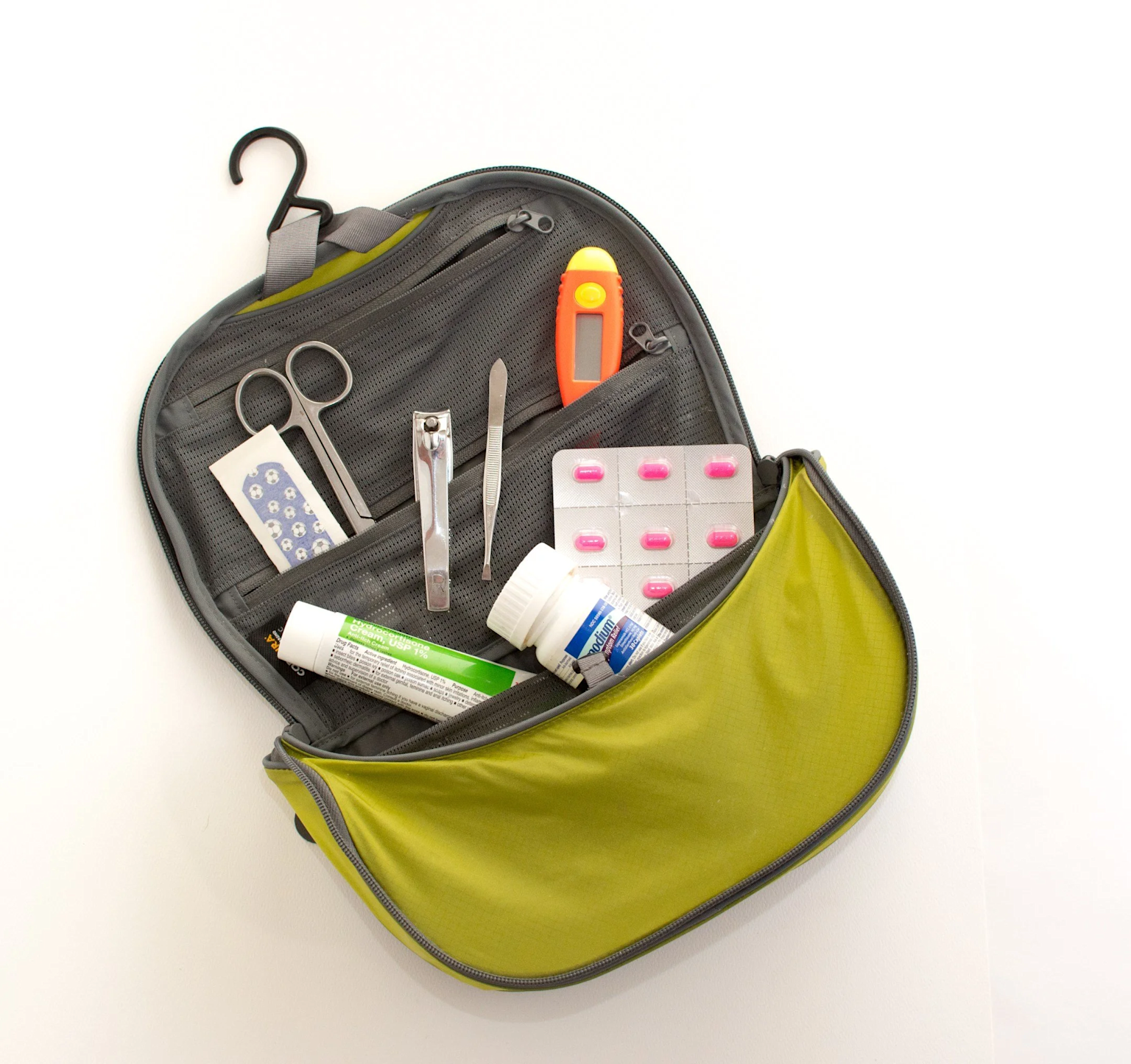
The Essential Guide To Travel Vaccinations And Pre-Travel Medicine In Christchurch
As the cold New Zealand winter settles heavily over Canterbury, thousands of Christchurch locals naturally begin planning overseas escapes. Whether you are booking a tropical family holiday to Fiji, embarking on an extensive backpacking trek through Southeast Asia, or visiting extended family across Europe or Africa, planning an international itinerary is an exciting process. However, amidst the flurry of booking flights, arranging accommodation, and renewing passports, one critical asset is frequently left to the absolute last minute: your biological defence system.
International travel exposes your body to distinct regional pathogens, unique viral strains, and dynamic environmental disease landscapes that your immune system has never encountered. At 1Health in Wigram, our dedicated general practice team provides comprehensive pre-travel medicine consultations and synchronized vaccination schedules. This clinical guide explains why advanced medical planning is vital, breaks down essential vaccination timelines, and outlines how to protect your health while exploring the globe.
Why Pre-Travel Medicine Is More Than Just A Checklist
Many travellers mistakenly believe that travel medicine is merely a bureaucratic exercise required to board a plane. In reality, it is a highly personalized risk-mitigation process. Your specific medical risk profile is determined by a complex matrix of variables, including your age, current vaccination history, underlying chronic health conditions, your exact geographic destinations, the season of your travel, and whether you are staying in urban business hotels or remote, rural villages.
During a professional pre-travel consultation at 1Health, our doctors do not simply look at a map. We evaluate the specific health hazards of your trip, including vector-borne profiles (such as Dengue fever and Zika virus), food and water safety considerations, and the prevalence of vaccine-preventable regional diseases like Hepatitis A, Typhoid, Yellow Fever, or Japanese Encephalitis. This allows us to construct an individualized health strategy that keeps you safe, comfortable, and out of foreign medical clinics.
The Ultimate Timeline: Why You Need Six To Eight Weeks
When it comes to travel immunisations, timing is everything. One of the most common and dangerous mistakes travellers make is presenting to our clinic only a few days before their international flight departs. For optimal vaccine efficacy and to satisfy specific destination entry guidelines and international border regulations, you should ideally schedule your pre-travel assessment six to eight weeks prior to departure.
There are two major clinical reasons why this extended window is highly recommended:
1. Multi-Dose Primary Series Requirements
Several essential travel immunisations cannot be administered all at once. For example, protection against highly dangerous pathogens like the Rabies virus or Japanese Encephalitis often requires a primary series of two or three individual doses spaced out over days or weeks to stimulate long-term cellular memory.
2. Immune Response Latency Periods
Your body does not become instantly immune the moment a needle leaves your arm. It takes the human immune system approximately 10 to 14 days following an immunisation to successfully process the antigen, synthesize specific protective antibodies, and establish robust, active immunity. If you receive your shots 48 hours before boarding a flight, you will remain entirely unprotected during the initial, highest-risk weeks of your journey.

Destination Entry Requirements Versus Health Recommendations
It is important to understand the difference between vaccines that are recommended for your personal health and safety, and those that are legally mandated by international border authorities:
- Mandatory Border Entry Requirements: Certain countries legally require official, documented proof of specific vaccinations as a condition of entry or visa approval. A prime example is the Yellow Fever vaccine; if you are traveling to or arriving from an endemic zone in South America or Sub-Saharan Africa, you must present an International Certificate of Vaccination to pass through border control. Similarly, specific annual travel windows or spiritual pilgrimages legally mandate proof of Meningococcal ACWY vaccination.
- Clinical Health Recommendations: Most travel vaccines (like Hepatitis A, Typhoid, or Rabies) are not legally forced upon you at the border, but are highly recommended by health authorities because the diseases themselves are severe, highly disruptive, and prevalent in the areas you are visiting.
Essential Travel Vaccines For Popular Kiwi Destinations
To help you understand your potential immunisation requirements, we have broken down the standard clinical recommendations for popular international destinations departing from Christchurch:
Southeast Asia (e.g., Bali, Thailand, Vietnam, Cambodia)
This region carries a higher baseline risk of waterborne and foodborne illnesses due to distinct sanitation infrastructures. Standard recommendations typically include Hepatitis A (to protect against a highly contagious viral liver infection transmitted via contaminated food or water) and Typhoid immunisations. Depending on your rural exposure, boosters for Tetanus, Diphtheria, Pertussis (Whooping Cough), and protection against Japanese Encephalitis or Rabies may be strongly advised.
The Pacific Islands (e.g., Fiji, Samoa, Rarotonga, Vanuatu)
While beautiful and highly accessible, popular Pacific holiday destinations frequently experience localized outbreaks of vaccine-preventable illnesses. All travellers should ensure their standard New Zealand childhood immunisations are completely up to date, specifically including the MMR (Measles, Mumps, Rubella) vaccine and a current Tetanus booster (which should be updated every ten years, or every five years if you sustain a deep, dirty wound while traveling).
Decoding The Rabies Risk For Kiwi Travellers
Because New Zealand is entirely free from rabies, many Kiwi travellers completely underestimate the catastrophic risk of this disease. Rabies is a viral infection transmitted via the saliva of an infected animal—typically through bites, scratches, or even licks on broken skin from street dogs, cats, or monkeys. Once clinical symptoms of rabies manifest in a human, the mortality rate is a terrifying 100%.
Understanding the availability and logistics of the
rabies vaccine nz
profile is an essential part of your pre-travel preparation. Receiving a primary preventative course of rabies immunisations before you leave Christchurch does not eliminate the need for medical care if you are bitten, but it provides a vital biological safety net. It completely eliminates the need for expensive, hard-to-find Rabies Immune Globulin (RIG) in a foreign country and slashes the post-exposure treatment protocol down to two simple booster shots, which can buy you lifesaving time if you are traveling in a remote region far from major medical centres.
What To Expect At Your 1Health Travel Consultation
When you book a dedicated travel medicine consultation at our Wigram clinic, our experienced doctors provide a thorough, structured assessment to ensure absolute travel readiness:
- Detailed History Review: We meticulously audit your existing immunisation records, past medical history, current medications, and known allergies.
- Itinerary Matching: We cross-reference your specific destinations with real-time, up-to-date global health tracking frameworks to identify active outbreaks.
- Synchronized Administration: We map out and administer your required immunisations safely, providing you with official, documented international vaccination certificates.
- Prescription Management: We provide necessary travel prescriptions, which can include preventative antimalarial medications, specialized anti-motility agents for traveler’s diarrhoea, and emergency self-treatment protocols.
Do not let a completely preventable regional illness cut your dream international holiday short or put your life at risk. Protect yourself, your family, and your travel investment by planning ahead. Contact the clinical team at 1Health today to book your comprehensive pre-travel consultation.
Have Questions About Your Health?
Our clinicians at 1 Health are here to help — whether it’s GP care, dental, travel vaccines, or facial aesthetics. Book a consultation anytime.
Book Online:
https://www.1health.nz/contact
Call:
Disclaimer:
This article is for general information only and is not medical advice. Every person’s health situation is different. For personalised guidance or diagnosis, please consult a qualified clinician.