Travel Vaccine Side Effects: What to Expect and When to Worry
Planning An Upcoming Trip Overseas?
Avoid last-minute border delays and ensure your family is fully protected. Our experienced clinical team provides comprehensive pre-travel consultations, tailored advice, and full on-site vaccine inventory management.
[Book Your Travel Consultation Online]
This comprehensive medical guide is designed to provide complete transparency. Written by our clinical team, it outlines what reactions are completely normal, what side effects are exceptionally rare, and exactly when you should contact a healthcare professional after receiving your travel vaccines.
Understanding Why Vaccine Side Effects Occur
When you receive a targeted travel vaccination, any subsequent physical symptoms are generally not a sign that something is going wrong. In fact, mild side effects are direct, measurable evidence that your biological immune system is functioning exactly as it should.
Vaccines work by introducing a safe, inactive, or structural fragment of a specific pathogen into your body. This stimulates your immune system to synthesize protective antibodies and create cellular memories. If your arm feels sore or if you experience a temporary wave of fatigue, it is simply your body executing a natural immune response, ensuring you are fully defended before you ever encounter the real illness in a foreign country.
Common Local Reactions At The Injection Site
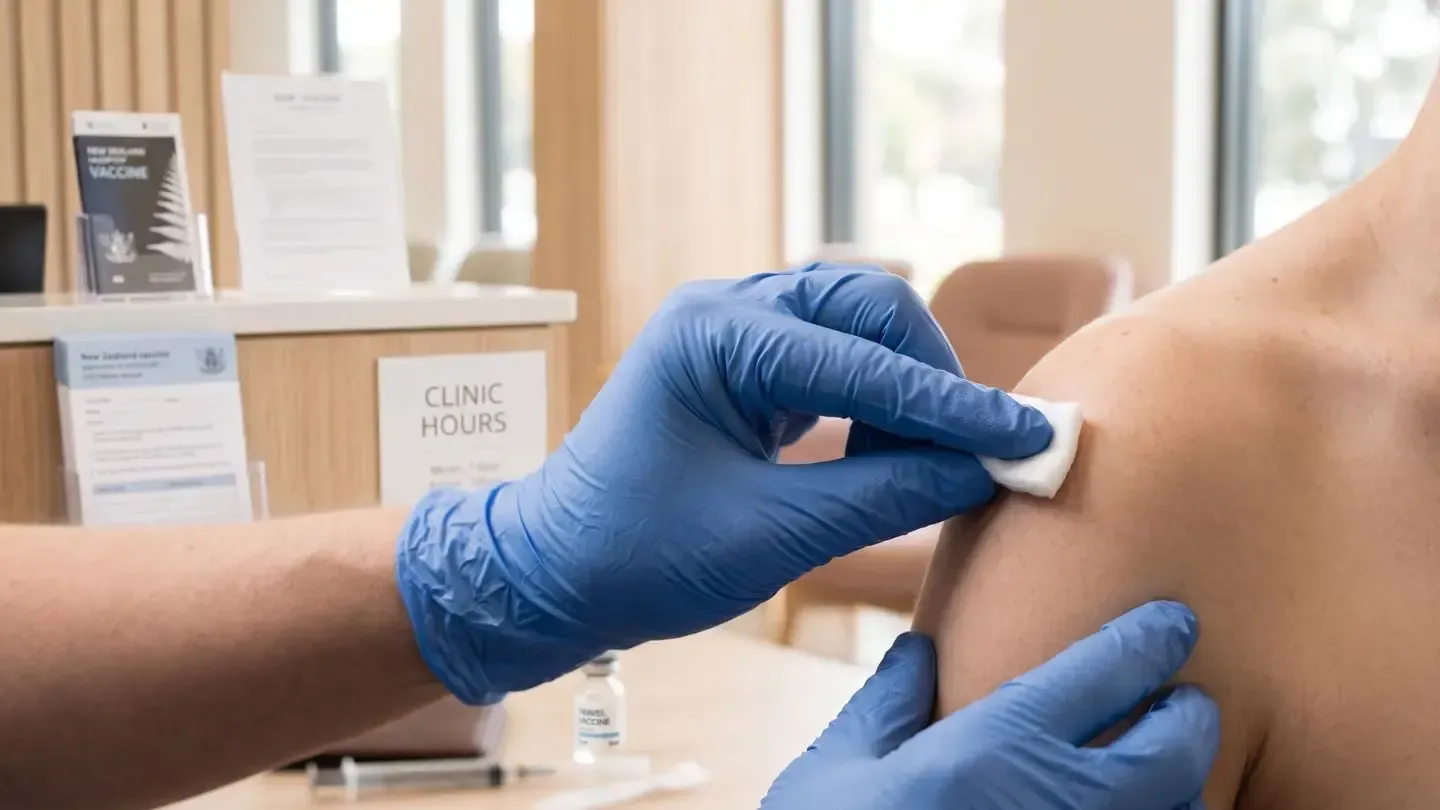
The absolute single most frequently reported reaction following any travel immunisation is localized discomfort directly where the needle entered your arm muscle. These localized surface reactions are a normal inflammatory response and typically include:
Soreness And Mild Tenderness: Affecting a baseline of 50% to 75% of vaccine recipients, this is particularly common following the injectable typhoid vaccine.
Localized Redness And Warmth: A small area of flushing around the entry point that is slightly warm to the touch.
Minor Swelling Or Induration: A small, firm lump beneath the skin surface where the fluid is being actively processed by your local lymph nodes.
These symptoms generally manifest within a few hours of your appointment and typically resolve naturally within 24 to 48 hours. Applying a clean, cool damp cloth or ice pack wrapped in a soft towel can rapidly ease this local inflammation.
Systemic Reactions: Body-Wide Immune Responses
In addition to local arm soreness, some travellers may experience mild, temporary, body-wide responses as their immune system scales up its cellular production. These systemic reactions are short-lived and include:
- Low-Grade Fever: A minor temperature spike (typically holding well under 38.5°C) that occurs in fewer than 10% of global vaccine recipients.
- General Fatigue: A brief period of tiredness or lethargy, which is a standard biological reaction common after Hepatitis A or Typhoid series.
- Mild Headache And Myalgia: Generalized muscle aches or a dull headache, reported by approximately 8% to 14% of patients.
- Minor Gastrointestinal Upset: Brief, mild nausea or stomach discomfort, which can occasionally occur following the administration of the oral typhoid vaccine sequence.
These systemic symptoms usually appear within 24 to 48 hours post-injection and typically pass completely within one to three days with adequate hydration and rest.
Strain-Specific Guide: What To Expect From Your Travel Vaccines
Different travel immunisations introduce unique antigens, meaning their standard side effect profiles vary slightly across specific treatments:
1. Hepatitis A Vaccine
The Hepatitis A immunisation is widely recognized as one of the most well-tolerated travel vaccines available globally. Significant clinical complaints are exceptionally rare. The vast majority of adults and children experience nothing more than minor, transient soreness at the injection site or brief tiredness lasting no longer than 24 to 48 hours.
2. Typhoid Vaccine (Injectable Versus Oral)
The standard injectable typhoid vaccine (Typhim Vi) can cause localized muscle discomfort or deep soreness in up to 75% of patients, frequently accompanied by temporary muscle aches across the arm or shoulder. Alternatively, the oral live-attenuated typhoid vaccine capsules (Ty21a) bypass local muscle soreness entirely, but can occasionally cause mild, self-limiting abdominal gurgling, nausea, or a minor stomach upset in a small percentage of individuals.
3. Yellow Fever Vaccine
The Yellow Fever vaccine is a live-attenuated viral strain that delivers exceptional, long-term regional protection. Approximately 10% to 30% of first-time recipients will experience a mild, delayed systemic response—such as a low-grade headache, minor muscle aches, or a mild fever—which typically begins 3 to 5 days after the appointment and can last for a few days as active immunity builds.
4. Rabies Pre-Exposure Vaccine
The pre-exposure rabies vaccine sequence is administered in a multi-dose primary series. It is common to experience mild local swelling, temporary arm weakness, or a dull headache following each individual dose. These symptoms are expected milestones of the primary dosing schedule and fade quickly without altering your daily travel planning.

Rare But Serious Complications: When To Seek Immediate Help
While minor side effects are a normal part of the process, it is clinically vital for every patient to recognize the rare warning signs that require immediate, urgent medical intervention.
Understanding Severe Allergic Reactions (Anaphylaxis)
Anaphylaxis is an exceptionally rare, acute systemic allergic reaction, occurring in roughly one out of every million administered vaccine doses. Because this immediate reaction almost always occurs within minutes of injection, our Wigram clinic requires all patients to remain comfortably in our waiting room for 15 to 20 minutes post-treatment. This allows our fully equipped nursing and medical team to monitor you and instantly resolve any reaction on-site.
Emergency warning signs of anaphylaxis include:
- Sudden difficulty breathing, persistent wheezing, or acute shortness of breath.
- Rapidly developing swelling of the face, lips, tongue, or deep throat.
- A widespread, intense skin rash, hives, or systemic severe itchiness.
- A sudden drop in blood pressure causing severe dizziness or light-headedness.
Action Required: If you experience any of these severe signs after leaving our medical facility, call 111 immediately or present straight to the nearest hospital emergency department.
How To Safely Manage Common Side Effects At Home
If you experience standard, mild post-vaccine reactions, you can significantly minimize your discomfort using simple, practical home care strategies:
- For Local Muscular Arm Discomfort: Move and use your vaccinated arm normally throughout the day; keeping the muscle moving accelerates fluid absorption and prevents local stiffness. Keep a cool, damp cloth over the area, and strictly avoid applying external heating pads, which will worsen localized inflammation.
- For Fever And General Body Aches: Prioritise rest and avoid high-intensity workouts on the day of your appointment. Maintain excellent hydration by drinking plenty of fresh water. If required, over-the-counter paracetamol or ibuprofen can be taken strictly in accordance with the standard packaging layout to keep you comfortable.
When To Schedule Your Pre-Travel Appointment In Christchurch
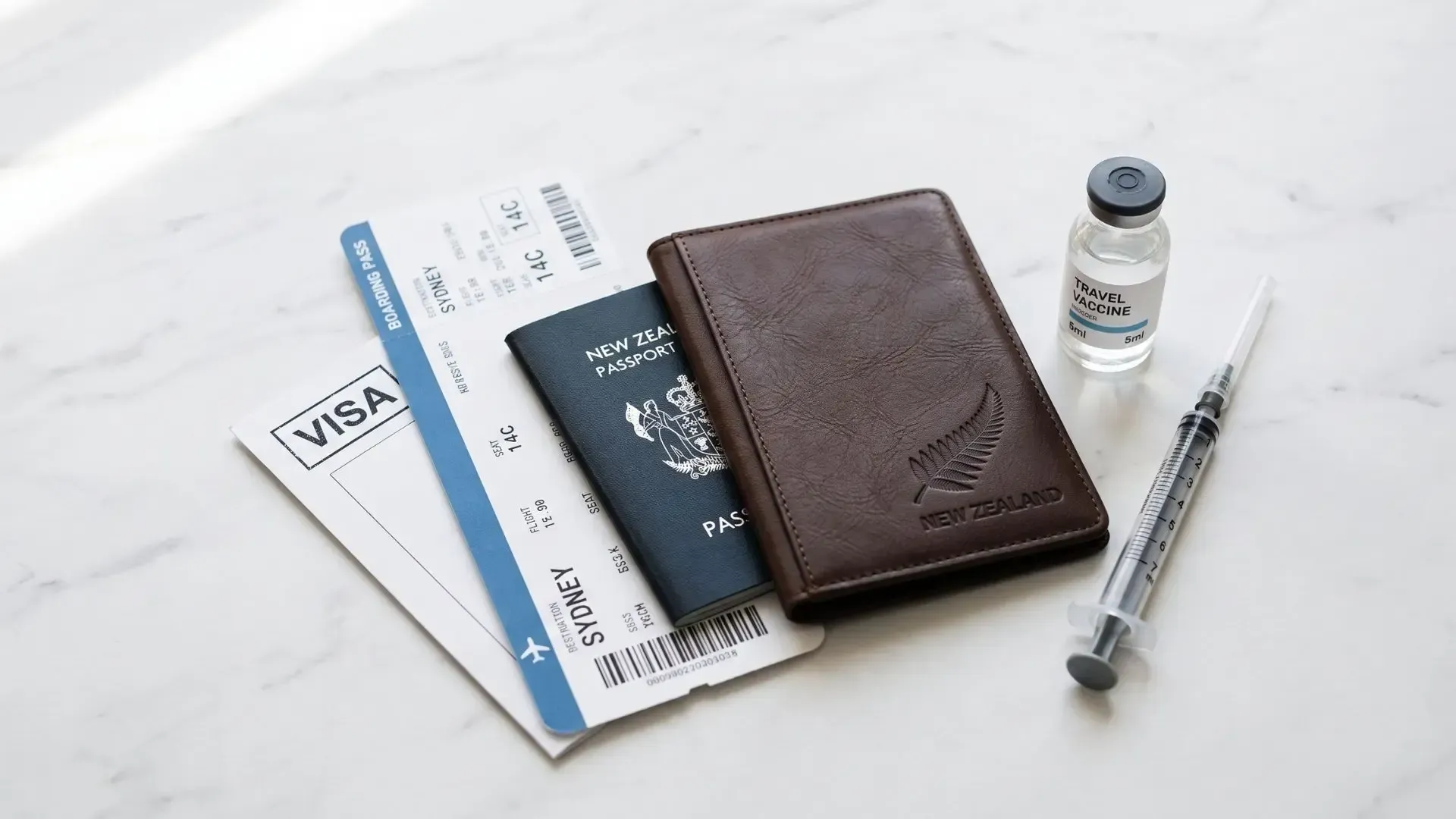
To ensure your immune system has ample time to process the tracking antigens and achieve peak protective antibody levels well before you depart New Zealand, we strongly recommend scheduling your dedicated travel consultation six to eight weeks prior to your departure date.
This extended window ensures that if your destination requires a multi-dose vaccine series (such as Rabies or Japanese Encephalitis), the course can be completed safely, comfortably, and entirely within standard clinical protocols without any last-minute rush.
Why Trust 1Health For Your International Travel Care
At 1Health in Wigram, we are a fully integrated, comprehensive medical centre, not just a standalone vaccination clinic. This means your entire pre-travel itinerary is backed by an expert clinical environment:
- Full GP Oversight: If our clinical travel nurses identify any complex medical histories or underlying health risks during your assessment, we can coordinate an on-site, same-day review with our general practitioners.
- On-Site Vaccine Inventory: We maintain a fully stocked, modern cold-chain storage facility containing all essential international travel vaccines, ensuring your immunisations are managed safely under strict sterile conditions.
- Clear, Transparent Pricing: We operate with absolute financial clarity. Your dedicated travel medicine consultation is priced at a clear flat fee of $69.00, with all individual vaccine doses fully itemised upfront so there are never any unexpected surprises.
Don’t leave your travel health to chance or risk last-minute border delays. Plan ahead, protect your journey, and travel with total clinical confidence. Contact the team at 1Health today to
lock in your comprehensive travel health consultation.
Have Questions About Your Health?
Our clinicians at 1 Health are here to help — whether it’s GP care, dental, travel vaccines, or facial aesthetics. Book a consultation anytime.
Book Online:
https://www.1health.nz/contact
Call:
Disclaimer:
This article is for general information only and is not medical advice. Every person’s health situation is different. For personalised guidance or diagnosis, please consult a qualified clinician.