Ear Microsuction Vs Ear Syringing: Safe, Water-Free Ear Wax Removal In Christchurch
Dealing with blocked ears, muffled hearing, or a persistent ringing sensation? Excessive ear wax build-up (cerumen impaction) is one of the most common—and easily treatable—causes of sudden hearing discomfort and ear pressure.
While traditional ear syringing (flushing the ear canal with pressurised warm water) was once the standard treatment across New Zealand, modern medical practices have overwhelmingly shifted toward ear microsuction.
At 1Health Wigram, our experienced registered nurses and clinical team perform gentle, water-free ear microsuction using direct microscopic vision. This comprehensive guide explains how microsuction works, why it is clinically safer than syringing, and what you can expect during your nurse-led appointment.
What Is Cerumen Impaction And Why Does It Happen?
Ear wax (cerumen) is a completely natural, healthy substance produced by glands in the outer ear canal. It serves a vital protective role: trapping dust, dirt, and microscopic debris, lubricating the skin of the ear canal, and offering natural antibacterial properties to ward off localized infections.
Under normal circumstances, your body self-cleans the ear canal. Normal jaw movements—such as chewing, talking, and yawning—gradually migrate old ear wax outward toward the entrance of the ear, where it naturally dries and falls away.
However, cerumen impaction occurs when this self-cleaning mechanism is disrupted. Common causes of ear wax blockage include:
- Narrow Or Tortuous Ear Canals: Anatomical shapes that naturally trap wax inside.
- Cotton Buds And In-Ear Objects: Pushing cotton buds, earplugs, or hearing aids into the ear canal compresses loose wax into a hard, dense plug against the eardrum.
- Overproduction Of Wax: Some individuals naturally produce thicker or more abundant ear wax.
- Dusty Work Environments: Common among tradies and outdoor workers across Christchurch, where fine dust combines with natural ear oils.
- Age-Related Changes: As we age, ear wax naturally becomes drier and harder, making spontaneous self-cleaning less effective.
Common Symptoms Of Blocked Ear Wax
When wax completely closes off the ear canal, symptoms can develop rapidly, especially after swimming or showering when the wax absorbs water and expands. Typical signs of ear wax impaction include:
- Sudden or progressive hearing loss in one or both ears.
- A sensation of fullness, pressure, or blockage deep inside the ear.
- Tinnitus (ringing, buzzing, or humming sounds).
- A dull ache or discomfort in the ear canal.
- Dizziness or mild balance disturbances.
- Whistling or feedback from hearing aids.
Traditional Ear Syringing: How It Works And Potential Risks
For decades, traditional ear syringing was the primary method for clearing impacted wax in primary care. The procedure involves filling a large syringe or automated irrigator with warm tap water and pumping it under pressure into the ear canal to flush the wax plug outward.
While traditional syringing can clear loose wax, it carries several inherent clinical drawbacks and risks:
Blind Procedure: The practitioner cannot view the inside of the ear canal while water is actively being flushed into it.
Moisture Trapping: Introducing water into an inflamed or compromised ear canal creates an ideal environment for bacterial infections (swimmer's ear or otitis externa).
Risk Of Eardrum Damage: Pressurised water directed against an undetected thin or weakened eardrum carries a small risk of tympanic membrane perforation.
Inaccuracy With Hard Wax: Hardened or stubborn wax plugs often require multiple sessions of syringing, which can irritate the sensitive skin lining the ear canal.
What Is Modern Ear Microsuction?
Ear microsuction is the gold-standard medical technique used by ear, nose, and throat (ENT) specialists, trained clinicians, and registered nurses. It is a completely dry, hygienic, and precise procedure that uses gentle medical suction to clear wax and debris under direct vision.
During microsuction, your registered nurse wears high-powered medical binocular loupes equipped with a bright light source. This allows them to see a clear, three-dimensional view of your entire ear canal and eardrum throughout the procedure. A small, sterile suction tube is guided gently into the canal to vacuum out the wax plug without touching the sensitive canal walls or eardrum.
Ear Microsuction Vs Traditional Syringing: A Detailed Comparison
| Feature | Gentle Ear Microsuction | Traditional Ear Syringing |
|---|---|---|
| Primary Mechanism | Gentle, low-pressure dry suction vacuum | Pressurised warm water flushing |
| Visual Precision | Continuous direct vision under magnification | Performed blind during active flushing |
| Moisture & Infection Risk | Extremely low (keeps the ear canal dry) | Higher risk if water remains trapped behind wax |
| Safe For Perforated Eardrums? | Yes (completely safe under direct vision) | No (flushing water can enter the middle ear) |
| Suitable For History Of Ear Surgery | Yes | No |
| Patient Comfort | High (cool air noise, zero water mess) | Moderate (sensation of water pressure in the ear) |
| Number Of Visits Required | Usually resolved in a single 15-minute visit | May require multiple visits if wax remains hard |
Key Benefits Of Water-Free Ear Microsuction
- Unmatched Safety: Because the clinician maintains a clear view of the canal at all times, the risk of accidental contact with the eardrum is virtually eliminated.
- Safe For Complex Ears: Microsuction is the only suitable method if you have a known eardrum perforation, previous ear surgery, or a history of recurrent severe ear infections.
- Immediate Hearing Relief: Most patients experience instant restoration of clear hearing before leaving the clinic room.
- Clean And Comfortable: There are no towels, wet shoulders, or messy water basins required—making it a quick and convenient treatment during your workday.
Preparing For Your Appointment: The Importance Of Ear Drops
To ensure your ear microsuction procedure is as fast, comfortable, and gentle as possible, proper preparation is recommended:
- Use Softening Oil For 2 to 3 Days: Apply 2 to 3 drops of plain olive oil or over-the-counter ear drops (such as Cerumol or Waxsol) into the affected ear night and morning for two days before your visit.
- Why Softening Helps: Hardened wax can adhere tightly to the fine hairs lining your ear canal. Softening the wax allows the suction tip to glide the plug out smoothly without pulling on delicate tissue.
- Avoid Cotton Buds: Never attempt to dig or poke inside the ear canal with cotton buds, hairpins, or rolled tissues before your appointment, as this packs the wax tighter against the eardrum.
What To Expect During Your Nurse-Led Visit At 1Health Wigram
At 1Health Wigram, we prioritise patient comfort, clinical thoroughness, and clear communication. Here is what happens during a standard 15-minute ear microsuction appointment:
- Initial Clinical Assessment: Your registered nurse takes a brief history of your ear symptoms, previous surgeries, and general medical background.
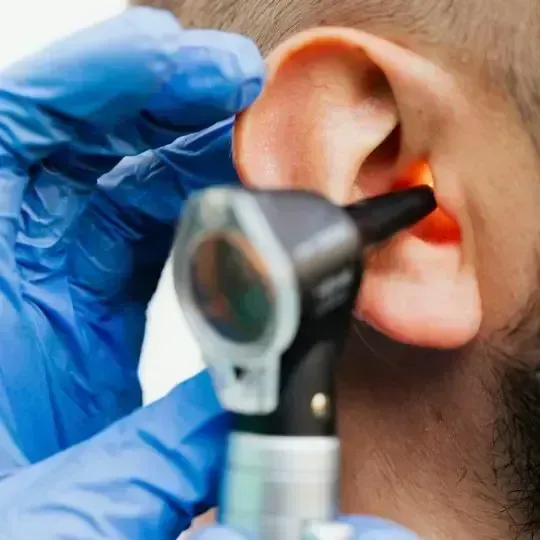
- Otoscopic Examination: We examine your ear canal using a high-definition digital otoscope to assess the extent of the blockage.
- Gentle Microsuction Procedure: You rest comfortably in an examination chair. Your nurse positions the binocular loupes and gently inserts the smooth suction tip. You will hear a rushing or whistling sound as the vacuum clears the wax, but the process is completely painless. Simply inform your nurse if you need a break at any point, and they will adjust immediately.
- Final Post-Clearance Check: Once the canal is fully clear, we inspect your eardrum to confirm it is healthy, intact, and free from underlying infection.
- Preventative Advice: We provide tailored advice on how to care for your ears naturally and prevent future wax build-up.
Frequently Asked Questions About Ear Wax Removal
Is Ear Microsuction Painful?
No. Ear microsuction is completely painless. You may feel a mild tickling sensation or cool air moving inside the ear canal, along with a gentle rushing sound.
Can Children Have Ear Microsuction?
Yes, ear microsuction can be performed safely on children, provided they are old enough to lie relatively still for 5 to 10 minutes. Our nursing team will assess whether microsuction or gentle manual clearance is the most appropriate option for your child.
How Much Does Ear Microsuction Cost In Christchurch?
We believe in complete fee transparency. Nurse-led ear microsuction is billed at our standard, competitive consultation rate for both enrolled and casual patients. Please visit our main website fee page or contact reception on 03 662 9309 for current pricing.
How Often Should I Have My Ears Cleared?
Most people only require ear wax removal when symptoms develop. However, regular wearers of hearing aids, tradies working in dusty environments, or individuals with naturally narrow ear canals may benefit from a routine check-up.
Book Your Nurse-Led Ear Wax Removal Consultation In Wigram
Restore your hearing clarity with safe, gentle, water-free ear microsuction performed by our experienced nursing team. We operate strictly by appointment to eliminate chaotic waiting rooms and ensure you receive prompt, dedicated care.
- Book Online: Book Your Ear Care Appointment Online
- Call Reception: 03 662 9309
- Location: 1 Henry Wigram Drive, Wigram, Christchurch 8042 (Free step-free storefront parking directly outside).
Important Medical Disclaimer
The information provided in this article is intended for general educational purposes only and should not replace a face-to-face consultation with a qualified medical professional. Symptoms such as sudden hearing loss, severe pain, bleeding, or fluid discharge require immediate clinical assessment by a GP or healthcare provider.
Have Questions About Your Health?
Our clinicians at 1 Health are here to help — whether it’s GP care, dental, travel vaccines, or facial aesthetics. Book a consultation anytime.
Book Online:
https://www.1health.nz/contact
Call:
Disclaimer:
This article is for general information only and is not medical advice. Every person’s health situation is different. For personalised guidance or diagnosis, please consult a qualified clinician.