Facial Swelling from a Tooth Infection? When to Seek Emergency Dental Care in Christchurch
When a tooth infection develops into facial swelling, it is your body's internal warning system screaming that something needs immediate medical attention.
It can happen incredibly fast. You might go to bed with a dull, nagging toothache and wake up with a visibly swollen cheek, jawline, or eye socket. At 1Health in Wigram, our clinicians see this presentation frequently, and we understand exactly how alarming it can be for patients.
Do You Have Severe Facial Swelling Right Now?
Facial swelling indicates an active, spreading infection that requires immediate clinical intervention. Do not wait for it to worsen. Contact our Wigram team straight away to secure an urgent appointment with an emergency dentist.
This comprehensive clinical guide explains exactly what is happening inside your tissues, why standard oral antibiotics alone are rarely enough, and the urgent steps you must take to resolve the issue safely.
What Does Facial Swelling from a Dental Infection Mean?
Facial swelling associated with a tooth infection, or dental abscess, occurs when bacteria trapped inside or around a tooth begin to spread beyond the tooth's boundaries.
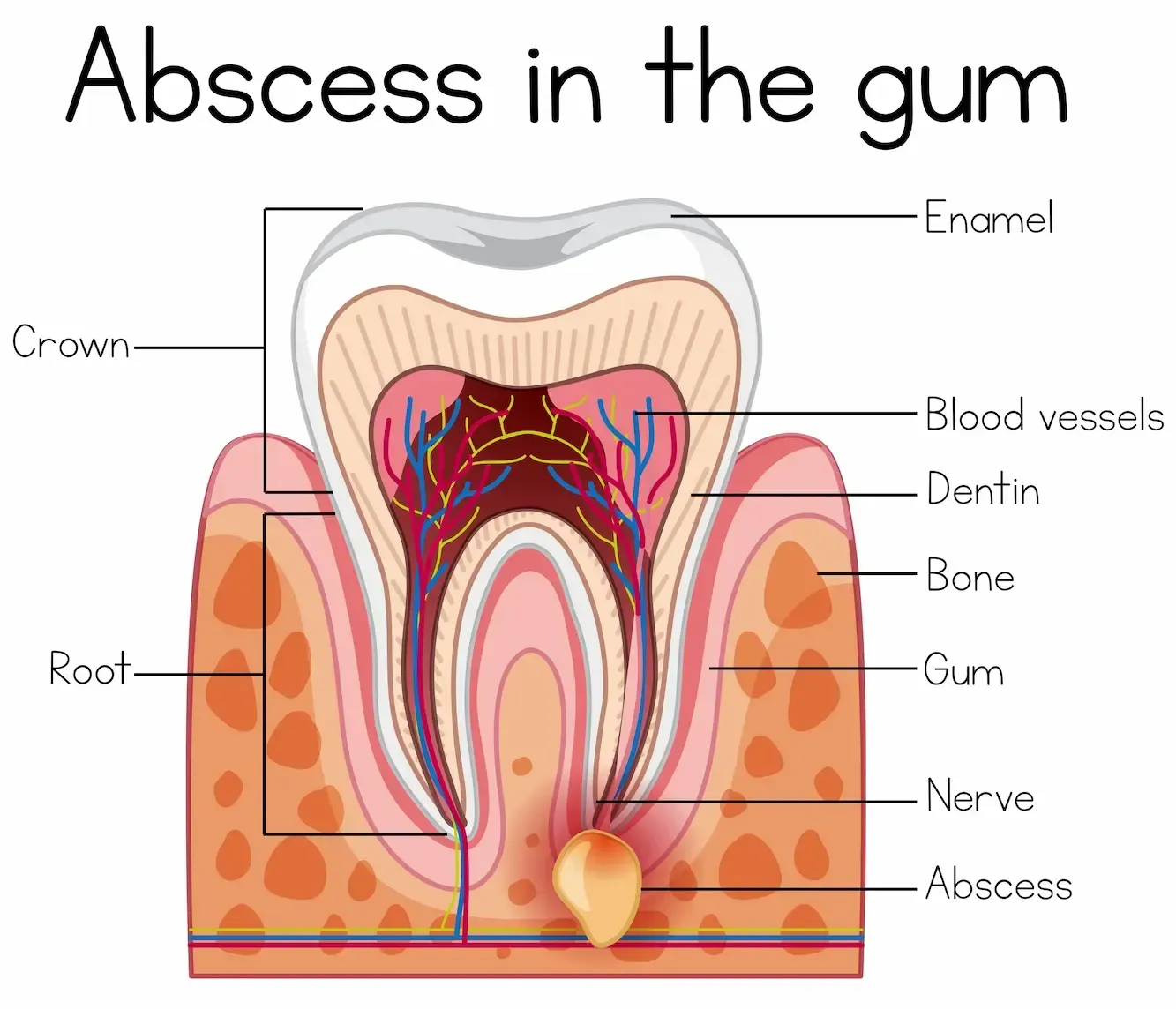
It starts as a localised infection. However, when pus-filled pockets form and the bacteria break through the bone, they spread into the soft tissues of your face, jaw, and cheek. This condition is known medically as facial cellulitis.
Why is my face swelling?
The swelling is an immune response. Fluid and white blood cells rush to the area to try and contain the infection.
- The Danger Zone: Unlike a simple cavity, facial swelling means the infection is no longer contained. It is moving.
- The "Space" Problem: The face and neck have "fascial spaces" (layers between muscles). If infection gets into these spaces, it can travel quickly toward the airway or eye.
This is a dental emergency. If you have facial swelling, you cannot "wait and see." You need to see a dentist or doctor immediately.
Symptoms You Shouldn't Ignore
How do you know if it’s just a gum boil or something more serious? While a small pimple on the gum (fistula) is common, facial cellulitis presents with broader symptoms:
- Visible asymmetry: One side of the face looks puffy or distorted.
- Skin changes: The skin over the swelling feels hot, tight, red, or tender to the touch.
- Trismus (Lockjaw): You may struggle to open your mouth fully.
- Systemic signs: Fever, fatigue, or a general feeling of being unwell (malaise).

🚩 RED FLAGS: When to Go to the Hospital
While 1 Health can treat most severe dental infections, some situations require immediate hospitalisation.
Go to the Christchurch Hospital Emergency Department (ED) immediately if you experience:
- Difficulty Breathing or Swallowing: This suggests the infection is compressing your airway (Ludwig’s Angina).
- Swelling Closing the Eye: If the swelling spreads up towards the eye socket.
- High Fever with Confusion: Signs of sepsis (blood poisoning).
- Change in Voice: A "hot potato voice" (muffled speech) indicates deep neck swelling.
Note: For urgent but non-life-threatening swelling, call 1 Health immediately on 03 662 9309. We offer emergency appointments.
The "Antibiotic Myth": Will Pills Cure It?
This is the most common question we get: "Can't I just take antibiotics and wait for it to go away?"
The short answer is NO.
Antibiotics are crucial for stopping the spread of infection in the blood and soft tissue, but they cannot penetrate the abscess itself. The abscess is a "dead space" filled with pus and bacteria where blood flow (and therefore medicine) cannot reach effectively.
To cure the infection, we must follow the "Source Control" rule:
- Drain the Pus: Release the pressure.
- Remove the Source: Treat or remove the infected tooth.
- Antibiotics: To clean up the remaining bacteria in the system.
How We Treat Facial Swelling at 1 Health
Because 1 Health is a combined Medical and Dental Centre, we are uniquely equipped to handle these infections safely. We don't just look at the tooth; we look at the whole patient.
Step 1: Assessment & Imaging
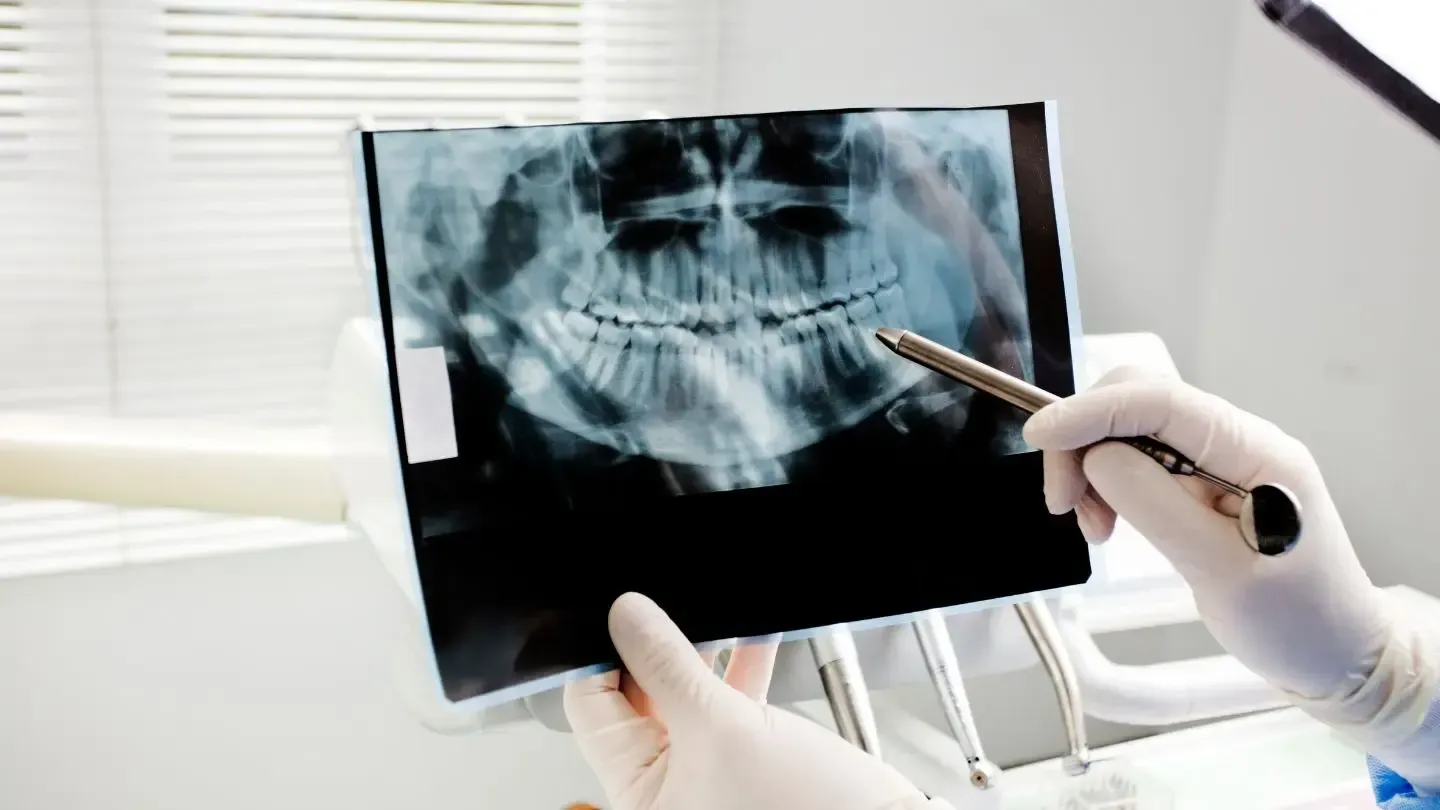
We use digital X-rays to locate the source of the abscess. Is it a dying nerve? A cracked tooth? An impacted wisdom tooth?
Step 2: Drainage (The Relief)
This is often the part patients fear, but it provides the most relief.
- Incision & Drainage: If the swelling is soft and accessible, we may make a small incision in the gum to drain the pus. This instantly reduces pressure and pain.
- Root Canal Drainage: Sometimes we can drain the infection through the tooth itself.
Step 3: Removing the Source
Once the acute infection is managed, we must deal with the tooth to stop it coming back.
- Root Canal Therapy: Cleaning out the inside of the tooth to save it.
- Extraction: If the tooth is non-restorable, removing it is the safest option.
Step 4: Medical Support (IV Antibiotics & Sedation)
This is the 1 Health difference.
- IV Antibiotics: For severe infections, oral pills act too slowly. Our doctors can administer intravenous (IV) antibiotics if required before transitioning you to oral medication.
- IV Sedation: If you are terrified or in severe pain, we can use Twilight Sedation to perform the drainage or extraction while you are deeply relaxed.
Prevention: How to Stop it Coming Back
Facial swelling rarely happens overnight without warning signs. Usually, there has been a niggling toothache, sensitivity, or a broken filling for weeks prior.
- Don't ignore the "niggle": Early cavities are easy to fix. Abscesses are not.
- Treat broken teeth: A crack is a highway for bacteria to enter the nerve.
- Routine X-rays: These catch infections at the "root tip" stage before they balloon into facial swelling.
FAQs About Facial Swelling
Should I use heat or cold on a swollen face? COLD.
Apply a cold compress (ice pack wrapped in a cloth) to the outside of your face to reduce inflammation and numbing pain. Never apply heat to a facial infection—heat draws blood to the area and can cause the bacteria to spread faster.
Can I sleep lying down?
Try to sleep propped up with extra pillows. Keeping your head elevated helps reduce pressure and limits swelling overnight.
Does ACC cover dental infections?
Generally, ACC only covers dental injuries caused by an accident (e.g., a sports injury or fall). It does not usually cover infections caused by decay.
However, come in for an assessment, and we can advise you on your eligibility.
Need Urgent Help?
If you have facial swelling, do not wait. Call 1 Health Wigram on 03 662 9309 or book an emergency appointment online. We serve patients from Wigram, Hornby, Halswell, and the greater Christchurch area.
About the Author
Dr. Jennifer Tirtawijaya, BDS (Hons), University of Otago
Dr. Jennifer Tirtawijaya is a qualified dentist at 1 Health in Christchurch, bringing evidence-based expertise and a patient-centred approach to dental care.
With her Bachelor of Dental Surgery with Honours from the University of Otago, Dr. Tirtawijaya has comprehensive training in managing dental emergencies, including tooth infections and abscesses requiring urgent intervention.
She is experienced in providing both routine and emergency dental treatments, including:
- Abscess drainage and management of odontogenic infections.
- IV Sedation for anxious patients.
- Definitive surgical treatment.
At 1 Health, Dr. Tirtawijaya works alongside a multidisciplinary team to provide integrated care for complex dental and medical presentations, ensuring the best possible outcomes for her patients.
References & Further Reading
- Flynn TR et al. "Severe Odontogenic Infections, Part 1: Prospective Report." J Oral Maxillofac Surg, 2006.
- Topazian RG et al. "Oral and Maxillofacial Infections." Saunders, 2002.
- HealthPathways Canterbury: Dental Infections Guidelines.
Have Questions About Your Health?
Our clinicians at 1 Health are here to help — whether it’s GP care, dental, travel vaccines, or facial aesthetics. Book a consultation anytime.
Book Online:
https://www.1health.nz/contact
Call:
Disclaimer:
This article is for general information only and is not medical advice. Every person’s health situation is different. For personalised guidance or diagnosis, please consult a qualified clinician.