Medical Ear Piercing vs. Mall Guns: The Comprehensive Safety Guide for Christchurch Parents
Ear Piercing for Kids: Why a Medical Centre Beats the Mall Every Time
Getting your ears pierced is a rite of passage for many children (and adults!). It is a milestone moment, often accompanied by excitement and perhaps a few nerves. However, it is important to remember that piercing is a medical procedure, not just a fashion statement. You are creating a wound in the body, and how that wound is created determines how well it heals.
For years, the default option was a quick trip to the local mall or pharmacy. But as awareness of hygiene and allergies grows, more parents in Christchurch are looking for a safer alternative.
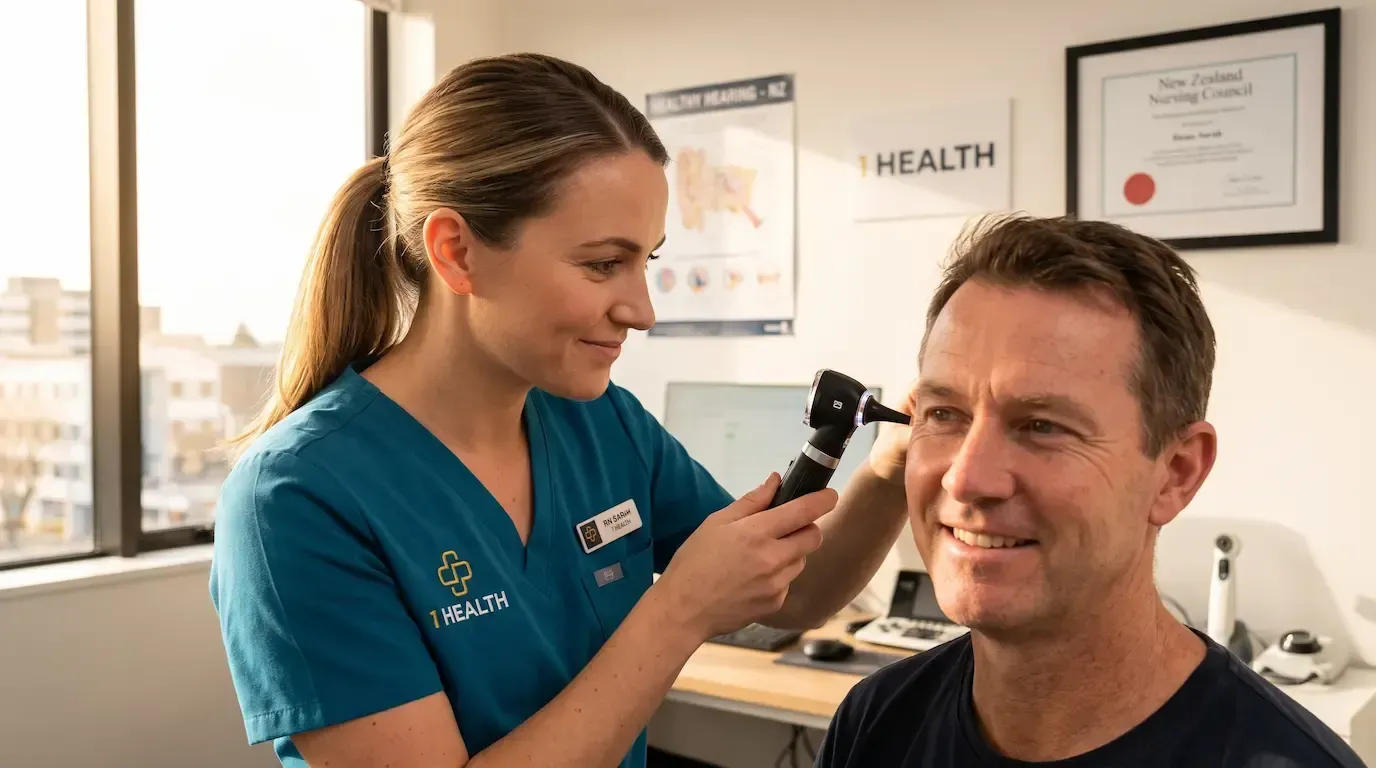
At 1 Health Wigram, we have replaced the "mall gun" with a sterile, doctor-led system. We offer a safe, hygienic, and gentle environment that eliminates cross-contamination risks and ensures a positive experience for your child.
Here is everything you need to know about why choosing a medical centre is the safest decision for your family.
The Hidden Dangers of Standard "Mall Guns"
For decades, spring-loaded piercing guns have been the standard in shopping malls. While they are convenient and cheap, they were originally designed for tagging livestock, not for delicate human tissue. As medical professionals, we often see the complications that arise from these devices.
The "Blunt Force" Problem
Standard guns work by using a spring to "shoot" a relatively blunt stud through the earlobe. Instead of piercing the tissue cleanly, they force their way through. This is known as "blunt force trauma."
- Micro-tears: The blunt force rips the tissue rather than cutting it. This leads to increased swelling, bruising, and a significantly longer healing time.
- Shattered Cartilage: If used on the upper ear (helix), the impact can actually shatter the cartilage. This can lead to permanent deformities (often called "cauliflower ear") or severe infection that requires antibiotics.
The Sterilisation Gap
This is the biggest concern for us as a medical practice. Most plastic piercing guns cannot be sterilised. They are made of plastic and would melt in an autoclave (the high-heat steam machine hospitals use to kill bacteria and viruses).
- Wipes aren't enough: Malls typically wipe the gun with an alcohol swab between customers. However, microscopic particles of blood or fluid from the previous client can remain trapped in the working mechanism of the gun.
- Cross-Contamination: If the gun malfunctions or sprays during the piercing, there is a theoretical risk of transmitting blood-borne pathogens (like Hepatitis) from one customer to another.

The Science of Safety: Our Medical-Grade System
At 1 Health Wigram, we refuse to use reusable guns. Instead, our qualified nurses use a modern Medical Piercing System. This system is designed solely to prevent infection and minimize pain.
1. The "No-Touch" Sterile Cassette
Unlike a gun that touches every customer's ear, our system uses a single-use, disposable cassette. The sterile earring is encapsulated inside a plastic holder.
- The device never touches the ear. Only the pre-sterilized earring and its backing touch your child's skin.
- Zero Cross-Contamination: After the piercing, the entire cassette is disposed of. There is absolutely no way for germs to be passed from one patient to the next.
2. Surgical Precision (Less Pain)
Our earrings are designed with a surgical-grade tip that is significantly sharper than a standard "gun stud."
- Clean Incision: The earring slides through the tissue cleanly rather than tearing it. This means less pain during the procedure and significantly less throbbing afterwards.
- Better Healing: Because the tissue isn't "crushed," the body's inflammatory response is lower, leading to faster, cleaner healing.
3. "Air Flow" Backing
One of the most common causes of infection is a backing (butterfly) that is squeezed too tight against the ear, trapping moisture and bacteria. Our medical studs come with fixed safety backs that lock at the optimal position. This allows air to circulate around the wound, keeping it dry and preventing the earring from becoming embedded in the earlobe.
Metal Allergies 101: Why Materials Matter
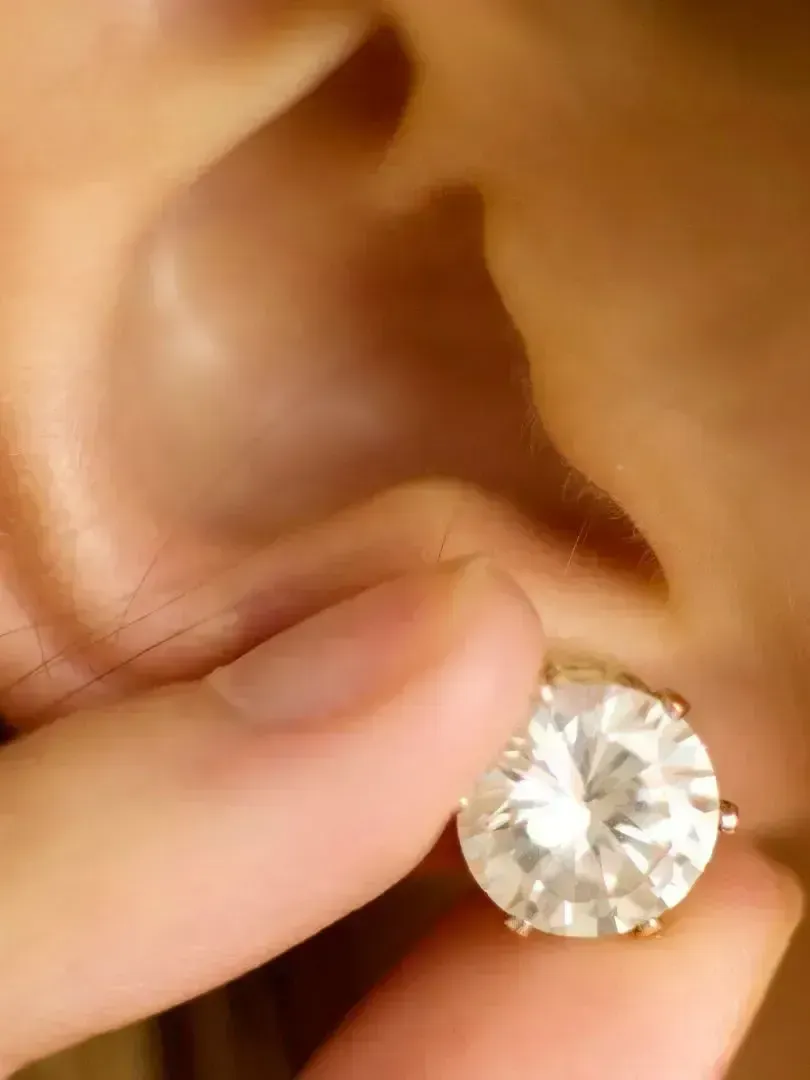
Did you know that nickel allergy is the most common contact allergy in the world? It often develops after a piercing with low-quality jewellery. Once you develop a nickel allergy, you have it for life—meaning you may never be able to wear cheap jewellery, watches, or zippers without getting an itchy, weeping rash.
Terms like "hypoallergenic," "surgical steel," or "gold plated" can be misleading. "Surgical steel" can still contain up to 12% nickel, which is enough to trigger a lifelong allergy in a sensitive child.
Preventing Allergies from Day One At 1 Health, we only pierce with materials that are skin-friendly:
- Medical Plastic: This contains 0% nickel. It is the only material in the world guaranteed to be 100% safe for anyone with metal sensitivities. It is the gold standard for children.
- Medical Titanium: This is the same safe metal used in surgical implants (like hip replacements). It is biocompatible and accepted by the body without rejection.
Step-by-Step: What to Expect at Your Appointment
We know that for a child (and their parents!), the anticipation is often scarier than the pinch. Here is exactly how our nurses manage the appointment to keep it calm and fun.
Step 1: The Consultation You will meet with one of our qualified nurses in a private clinic room—not a shop window. We will discuss placement, check the earlobe shape, and choose your sterile jewellery.
Step 2: Numbing (Optional) If you are worried about pain, we can apply a topical anaesthetic cream (numbing cream) to the lobes. Note: This usually needs to be applied 30–60 minutes beforehand, so please ask about this when booking.
Step 3: Marking the Spot This is the most important part. We take the time to measure and mark the spots with a surgical pen. We give you and your child plenty of time to look in the mirror and agree on the position. We never rush this step.
Step 4: The "Dual Piercing" Option For anxious children, we can often arrange for two nurses to pierce both ears at the exact same time. The benefit is huge: it’s over in a split second. There is no waiting for the "second ear" after the first pinch, which is often when the tears start! Please request this when booking so we can schedule two staff members.
Step 5: The "Click" There is no loud "BANG" like a traditional gun. Our device makes a quiet "click" sound. Most children are surprised that it is over so quickly.
How to Care for New Piercings (The Medical Way)
The danger zone for infection is the first 6–12 weeks. Because we are a medical centre, we provide clinical aftercare instructions that differ slightly from the old-school advice you might find online.
The "Do Not Twist" Rule Old advice said to "twist the earrings every day." We advise against this. Twisting breaks the delicate healing skin inside the hole, re-opening the wound and introducing bacteria from your hands.
- Clean: Clean the front and back of the ear twice daily with the provided sterile wipes or saline solution.
- Dry: Keep the area dry. Moisture is the enemy of healing. Dry the ears carefully after a shower or swimming.
- Leave Alone: Do not touch the earrings unless you are cleaning them.
When can I change them?
- Earlobes: Leave the medical studs in for 6 weeks minimum.
- Cartilage (Upper Ear): Leave them in for 12 weeks minimum.
- The First Year: For the first 12 months, never leave the hole empty. The skin is still elastic and can close up in as little as an hour. Always have studs in.
Frequently Asked Questions
What is the minimum age for ear piercing? We generally recommend waiting until a child has had their first set of immunizations (usually 6 months). This ensures their immune system is developed enough to handle the minor procedure safely. However, we can pierce at any age from 6 months to 100 years!
Does it hurt? Most patients report a short "pinch" and a feeling of heat. Because our needles are surgically sharp (unlike blunt gun studs), the pain is significantly less than traditional methods. Many kids cry more from the anticipation than the actual feeling!
Can I go swimming after piercing? Ideally, you should avoid public pools, spa pools, and the ocean for at least 2 weeks. These bodies of water contain bacteria that can cause infections in fresh wounds. If you must swim (e.g., squad training), cover the ears with a waterproof band-aid and clean them thoroughly with saline immediately afterwards.
Why do you use plastic for kids? Is it safe? Yes, Medical Plastic is often safer than gold. It contains zero nickel, zero latex, and zero toxins. It eliminates the risk of your child developing a metal allergy during the healing phase. Plus, the studs are often lighter, which is more comfortable for small ears.
What happens if they get infected? This is the major benefit of choosing 1 Health. If you get an infection from a mall, they will tell you to "go see a doctor." If you get an infection with us, you are already at the doctor. We can assess the ear, clean it, and prescribe treatment often without needing to remove the earring.
Safe, Sterile & Stress-Free Piercing
Give your child the safest start. Book a medical ear piercing appointment with our qualified nurses today.
Have Questions About Your Health?
Our clinicians at 1 Health are here to help — whether it’s GP care, dental, travel vaccines, or facial aesthetics. Book a consultation anytime.
Book Online:
https://www.1health.nz/contact
Call:
Disclaimer:
This article is for general information only and is not medical advice. Every person’s health situation is different. For personalised guidance or diagnosis, please consult a qualified clinician.