Non-Surgical Skin Tag and Mole Removal in Christchurch: What You Need to Know
Small skin blemishes—such as hanging skin tags, raised benign moles, stubborn warts, milia, and age spots—are extremely common. While they are usually physically harmless, these minor skin imperfections can cause significant frustration. They catch on clothing, snag on jewellery, feel uncomfortable when shaving, or simply make people feel self-conscious about their appearance.
Historically, getting rid of a skin tag or mole meant undergoing surgical excision with a scalpel, requiring local anaesthetic injections, scalpel cuts, sutures, and the inevitable permanent surgical scar.
Fortunately, modern clinical aesthetics has evolved. At 1Health Aesthetics in Wigram, Christchurch, we offer advanced non-surgical plasma removal for benign skin tags, moles, and blemishes. This stitch-free technology gently vaporises unwanted tissue in minutes with minimal downtime and exceptional cosmetic outcomes.
This comprehensive guide explains how non-surgical lesion removal works, why a thorough doctor’s safety check is non-negotiable before removing any mole, what to expect during healing, and how to get smooth skin at 1Health Wigram.
What Is Non-Surgical Plasma Lesion Removal?
Non-surgical lesion removal utilises medical-grade plasma technology to remove cosmetic skin imperfections without cutting the skin.
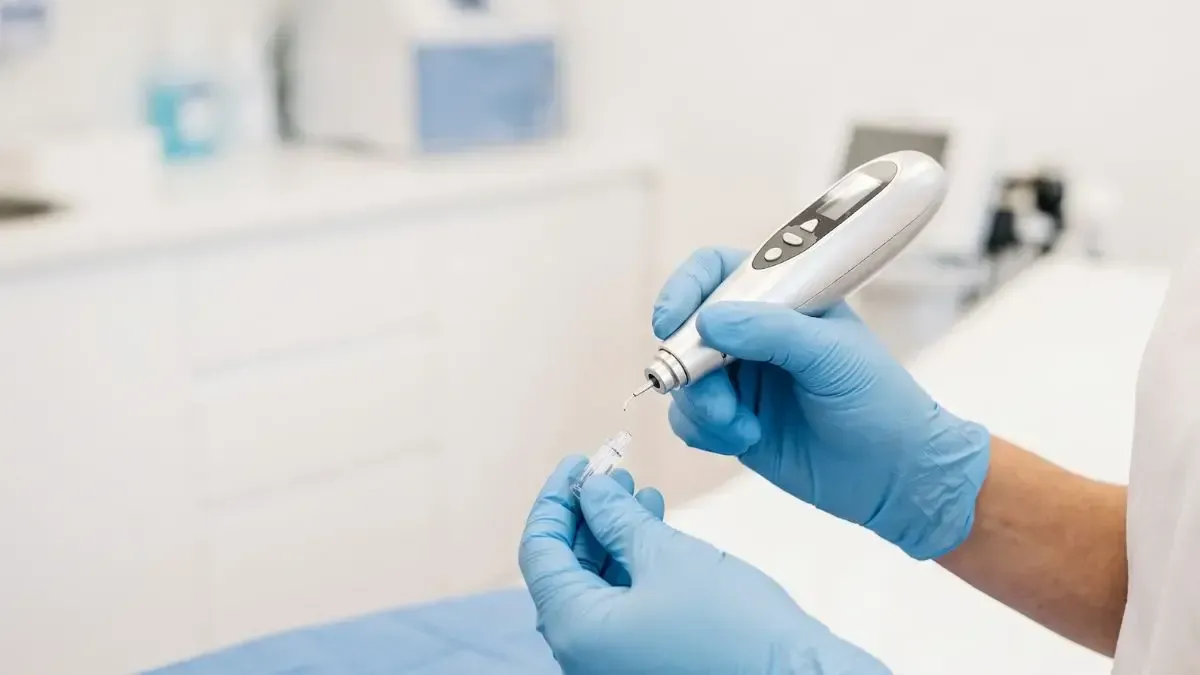
Instead of using a sharp blade or scalpel, a handheld plasma device generates a micro-arc of electrostatic energy. When this tiny electrical spark comes close to the skin, it instantly transforms liquid and solid tissue into gas—a physical process known as sublimation.
Because plasma energy sublimates unwanted skin tissue pinpoint by pinpoint:
- No Scalpel Cut: The surrounding healthy skin remains untouched and unbroken.
- No Sutures or Stitches Required: Because there is no surgical incision, stitches are completely unnecessary.
- Minimal Risk of Scarring: Because the treatment targets only the superficial epidermal layer of the skin, the risk of deep scarring is drastically lower compared to surgical cutting.
- Instant Immediate Results: Blemishes like skin tags and tiny milia are vaporised on the spot during a brief 15-to-30-minute appointment.
Why Medical Safety Comes First: The Essential Doctor's Mole Assessment
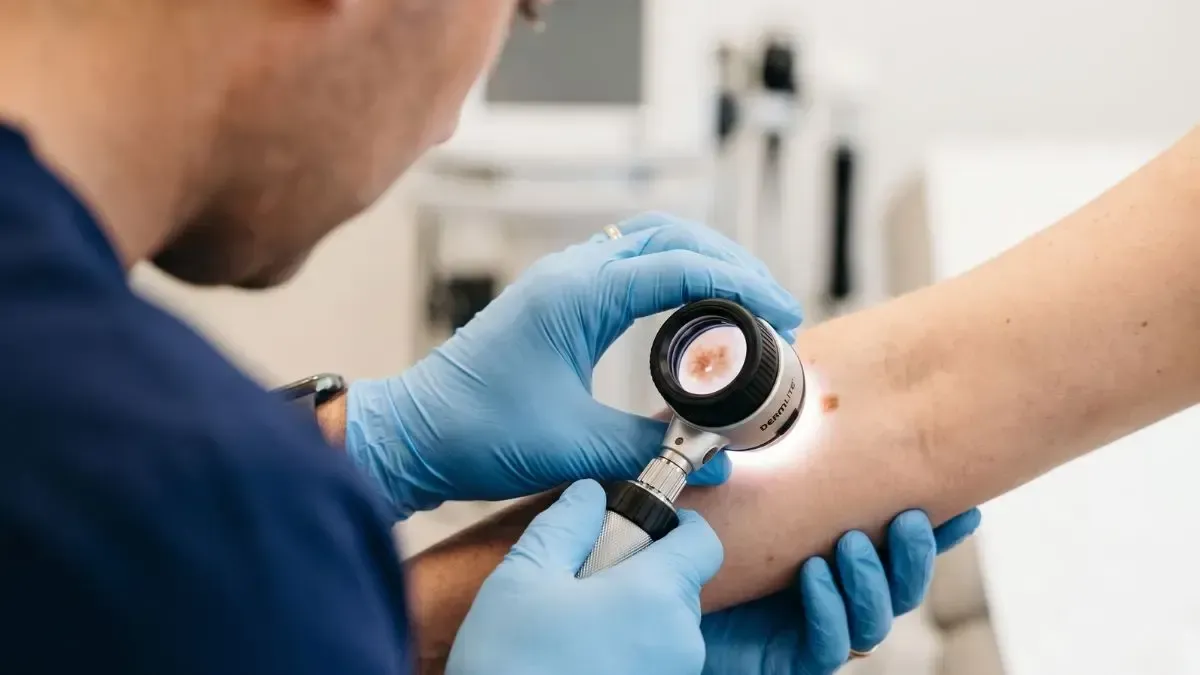
Before undergoing any cosmetic mole or lesion removal, there is one rule that must never be bypassed: every pigmented mole or suspicious skin spot must be evaluated by a qualified medical doctor first.
In New Zealand, where sun exposure levels are exceptionally high, melanoma and skin cancers are a serious health concern. Some malignant skin cancers initially look identical to harmless, benign moles to the untrained eye.
Why Beauty Spas Cannot Safely Remove Moles
Beauty salons and non-medical day spas frequently offer skin tag and mole removal treatments without medical staff. Attempting to remove a mole with plasma or laser energy without a prior clinical assessment carries a severe danger: if an undiagnosed melanoma is partially treated, cancer cells can be left behind underneath the skin, delaying critical life-saving diagnosis.
The 1Health Medical Safety Protocol
At 1Health Aesthetics, your safety is our absolute clinical priority.
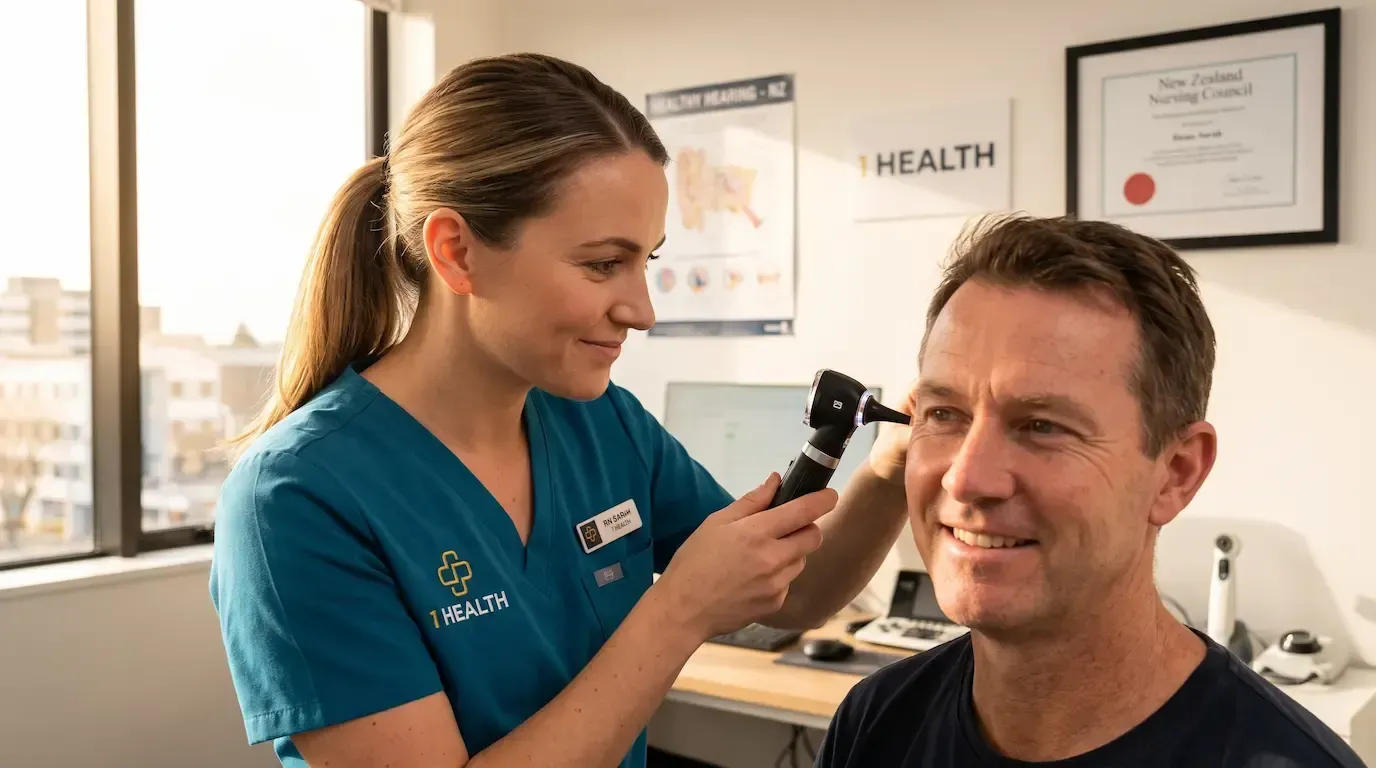
Because our aesthetics clinic operates directly inside 1Health Medical Centre in Wigram, every mole assessment is backed by Clinical Lead Dr Bernard Teo and our qualified medical team.
Before Registered Nurse Jordan Zheng or our clinical team performs any plasma procedure:
- Dermoscopic Evaluation: The spot is thoroughly examined using high-magnification dermoscopy to check for irregular cell patterns, asymmetrical borders, or dangerous pigmentation.
- Medical Clearance: If the doctor confirms the mole is completely benign (non-cancerous) and purely a cosmetic nuisance, it is cleared for non-surgical plasma removal.
- Biopsy Referral (If Required): If there is even the slightest doubt about a spot's safety, we do not perform plasma treatment. Instead, we perform a formal medical mole check or surgical biopsy to send tissue to a pathology lab for testing.
What Skin Lesions Can Be Treated with Plasma Energy?
Plasma energy is incredibly versatile and can safely target a wide range of benign cosmetic blemishes across the face and body:
1. Skin Tags (Acrochordons)
Soft, small, skin-coloured flaps of skin that commonly grow on friction areas, such as the neck, armpits, eyelids, groin, and under bra lines. Plasma vaporises skin tags instantly in seconds.
2. Benign Raised Moles (Dermal Naevi)
Elevated, non-cancerous moles that catch on razors or hairbrushes. Once cleared by our doctor, plasma energy flattens the raised mole down flush with the surrounding skin smoothly.
3. Warts & Verrucas
Stubborn viral growths on the hands, fingers, or feet. The intense heat of plasma energy destroys the infected viral cells at the root, significantly reducing the likelihood of the wart returning.
4. Milia
Small, hard, white keratin cysts that frequently form around the delicate skin of the eyes and cheeks. Milia cannot be squeezed out like pimples; plasma gently opens the surface layer so the tiny cyst dissolves naturally.
5. Seborrhoeic Keratoses
Elevated, brownish, warty spots that commonly appear as skin ages (often referred to as "senile warts"). These sit purely on the surface of the skin and respond exceptionally well to plasma sublimation.
6. Cherry Angiomas
Small, bright red spots caused by clusters of capillaries near the skin surface. Plasma energy cauterises the tiny blood vessels, removing the red blemish safely.
Step-by-Step: What to Expect During Your Treatment
We strive to make your blemish removal appointment as comfortable, relaxed, and transparent as possible.
Step 1: Initial Clinical Assessment & Quote
Your treatment begins with a thorough evaluation of your skin blemish by our medical team. We confirm that the lesion is benign, explain the expected outcome, and provide a clear, upfront quote before proceeding.
Step 2: Topical Anaesthetic Application
A high-strength prescription numbing cream is applied to the treatment area and left to take effect for 15 to 20 minutes. This ensures the procedure is virtually painless. Most patients describe feeling only a mild warmth or tiny tingling sensation.
Step 3: Precision Plasma Sublimation
Using a fine, sterile tip, Registered Nurse Jordan Zheng or our medical clinician delivers targeted plasma energy to vaporise the lesion. The process takes anywhere from 5 to 20 minutes depending on the number and size of the blemishes being treated.
Step 4: Aftercare & Protective Barrier Application
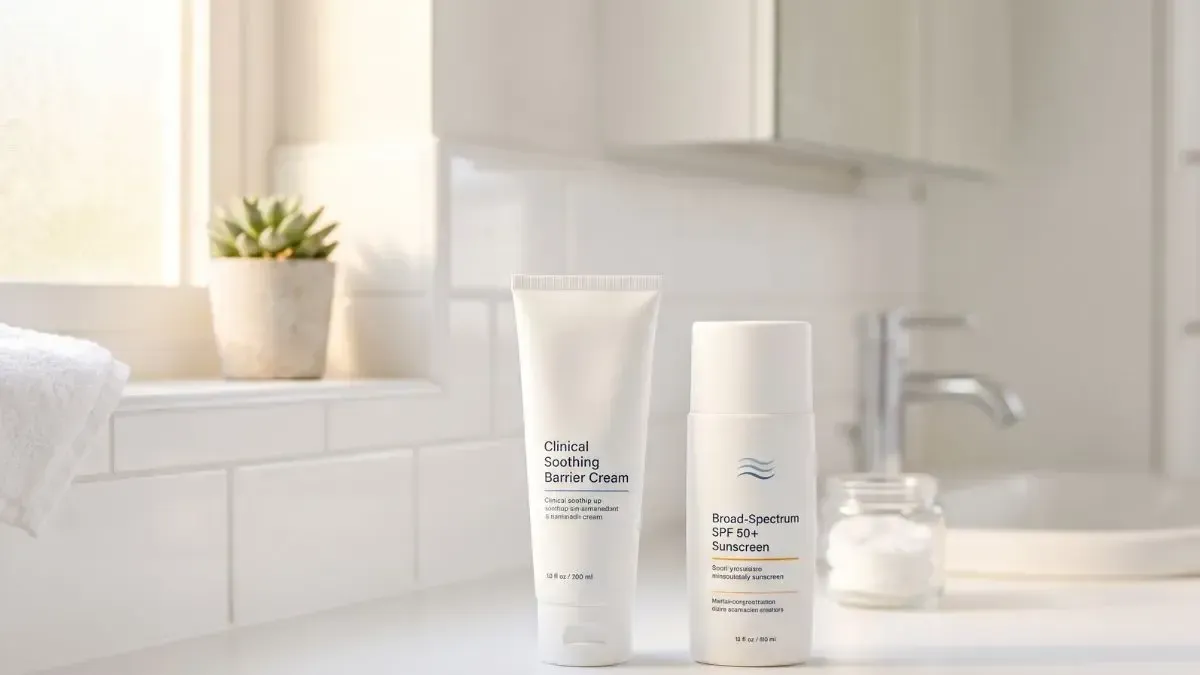
Once the blemish is removed, a soothing, antibacterial barrier cream is applied over the treated area to protect it while healing begins.
Healing Timeline and Aftercare Guidelines
Understanding the healing process helps ensure you achieve the smoothest, clearest final cosmetic outcome.
- Days 1 to 3 (Initial Scab Formation): A small, dark carbon crust (protective scab) forms immediately over the treated spot. Minor redness and slight localised swelling are completely normal.
- Days 5 to 10 (Natural Flaking): The protective scab will naturally dry up and flake off on its own. It is vital that you never pick, scratch, or pull at the scab. Picking the scab prematurely disrupts healing and increases the risk of scarring.
- Weeks 2 to 6 (Fresh Skin & Pigment Blending): Once the scab drops off, fresh, pink skin is revealed underneath. Over the next few weeks, this pinkness gradually fades as new skin cells mature and blend seamlessly into your natural skin tone.
Key Aftercare Rules
Keep the treated area clean and dry for the first 24 hours.
Apply recommended soothing aftercare ointment twice daily.
Avoid heavy exercise, saunas, and hot tubs for 48 hours to prevent irritation from sweating.
Apply high-protection broad-spectrum SPF 50+ sunscreen over the healed spot daily to protect fresh new skin from post-inflammatory hyperpigmentation.
Transparent Pricing Guide for Lesion Removal in Christchurch
We believe high-quality medical aesthetic treatments should be accessible and transparently priced without hidden surprises.
| Lesion Size | Price Estimate Per Lesion |
|---|---|
| Small Lesion (e.g., Skin Tag) | $35-$40 |
| Medium Lesion (e.g., Raised Mole) | $40-$60 |
| Large / Complex | $70-$100 |
Note: Prices are calculated per lesion. If you have multiple skin tags or moles you wish to remove in a single sitting, we offer discounted bundled pricing during your consultation.
Frequently Asked Questions
Does Non-Surgical Plasma Removal Leave a Scar?
Because plasma energy operates superficially on the epidermis without cutting into deep dermal skin layers, the risk of scarring is extremely low compared to surgical cutting. Once fully healed, most treated spots leave no visible trace.
Can Any Mole Be Removed with Plasma?
No. Flat, highly pigmented, or atypical moles must be evaluated by our doctor. If there is any concern about atypical cell growth or skin cancer, we recommend formal medical monitoring or surgical excision rather than cosmetic plasma treatment.
Is Non-Surgical Lesion Removal Permanent?
Yes. Once a skin tag, mole, or milia is vaporised, that specific lesion is gone permanently. However, if your skin is naturally prone to forming skin tags in friction areas, new tags may eventually develop elsewhere over time.
Book Your Skin Lesion Assessment at 1Health Wigram Today
Ready to enjoy clear, smooth skin without scalpels, stitches, or long hospital wait times? Book a consultation with Registered Nurse Jordan Zheng and the medical team at 1Health Aesthetics today.
We will assess your skin spots safely, explain your options clearly, and help you get rid of bothersome blemishes quickly and comfortably.
- Clinic Address: 1 Henry Wigram Drive, Wigram 8042 Christchurch
- Phone: 03 662 9309
- Online Booking Request: 1health.nz/skin-tag-blemish-removal
Have Questions About Your Health?
Our clinicians at 1 Health are here to help — whether it’s GP care, dental, travel vaccines, or facial aesthetics. Book a consultation anytime.
Book Online:
https://www.1health.nz/contact
Call:
Disclaimer:
This article is for general information only and is not medical advice. Every person’s health situation is different. For personalised guidance or diagnosis, please consult a qualified clinician.