Clearer Skin Starts Here: 1 Health’s Expert Acne Treatments in Christchurch

Bernard Teo • 27 July 2025

Achieve Lasting Results with Tailored Acne Solutions at 1 Health Christchurch
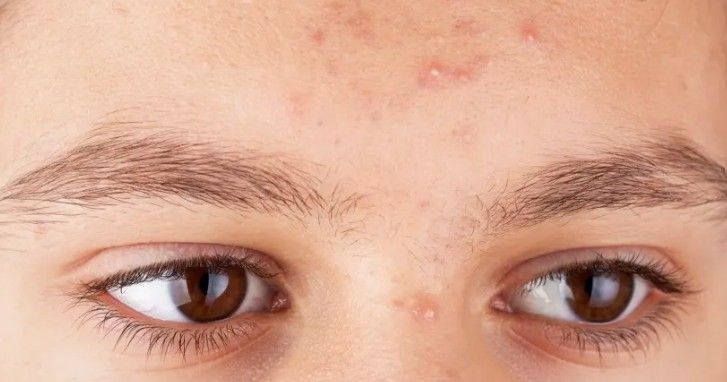
Close-up of a person's eyes and forehead with visible acne. They have brown eyes and arched eyebrows.

Acne is rarely "just a few spots." For many, it is a daily battle that affects confidence, mental health, and social interactions. You have likely tried the supermarket face washes, the influencers' "miracle" serums, and the home remedies—with little to no success.


At 1 Health in Wigram, Christchurch, we want you to know that persistent acne is a medical condition, not a hygiene failure. It requires a medical solution.


Whether you are a teenager dealing with puberty-driven breakouts or an adult facing sudden hormonal changes, our experienced General Practitioners provide evidence-based treatments to help you reclaim your skin.


Understanding Your Skin: It’s Not Just "On the Surface"

To treat acne effectively, we first have to understand what is happening underneath. Acne isn't just dirt; it is a complex interaction of oil production, bacteria (C. acnes), and inflammation.


We treat the full spectrum of acne types:


  • Comedonal Acne: The "bumps" (whiteheads and blackheads) caused by clogged pores.


  • Inflammatory Acne: Red, swollen papules and pustules that are tender to the touch.


  • Cystic & Nodular Acne: Deep, painful lumps beneath the skin. This type carries the highest risk of scarring and usually requires systemic medical treatment.


Why See a GP Instead of a Beauty Therapist?

While facials and skincare routines have their place, moderate-to-severe acne is an inflammatory disease.


The 1 Health Medical Advantage:


  • Prescription Power: We have access to active medical ingredients that cannot be bought over the counter.


  • Internal Treatment: We treat the internal causes (hormones and bacteria), not just the external symptoms.


  • Cost-Effective: Seeing a GP is often significantly cheaper and faster than waiting months for a private dermatologist referral.


Doctor in yellow dress with stethoscope, talking to patient at desk, writing notes.

Our Treatment Options: From Creams to Isotretinoin

We don't believe in a "one size fits all" approach. Your 1 Health GP will build a plan based on the severity of your acne and your medical history.


1. Topical Therapies (The First Line of Defence)

For mild to moderate acne, we use prescription-strength creams and gels. These often include retinoids (to unclog pores) and antimicrobials (to fight bacteria). These are far more potent than drugstore versions.


2. Oral Antibiotics

For inflamed, red acne, a short course of oral antibiotics can help reduce the bacteria population on the skin and calm the inflammation quickly.


3. Hormonal Treatments (For Women)

Many women suffer from hormonal acne—often appearing along the jawline and chin.
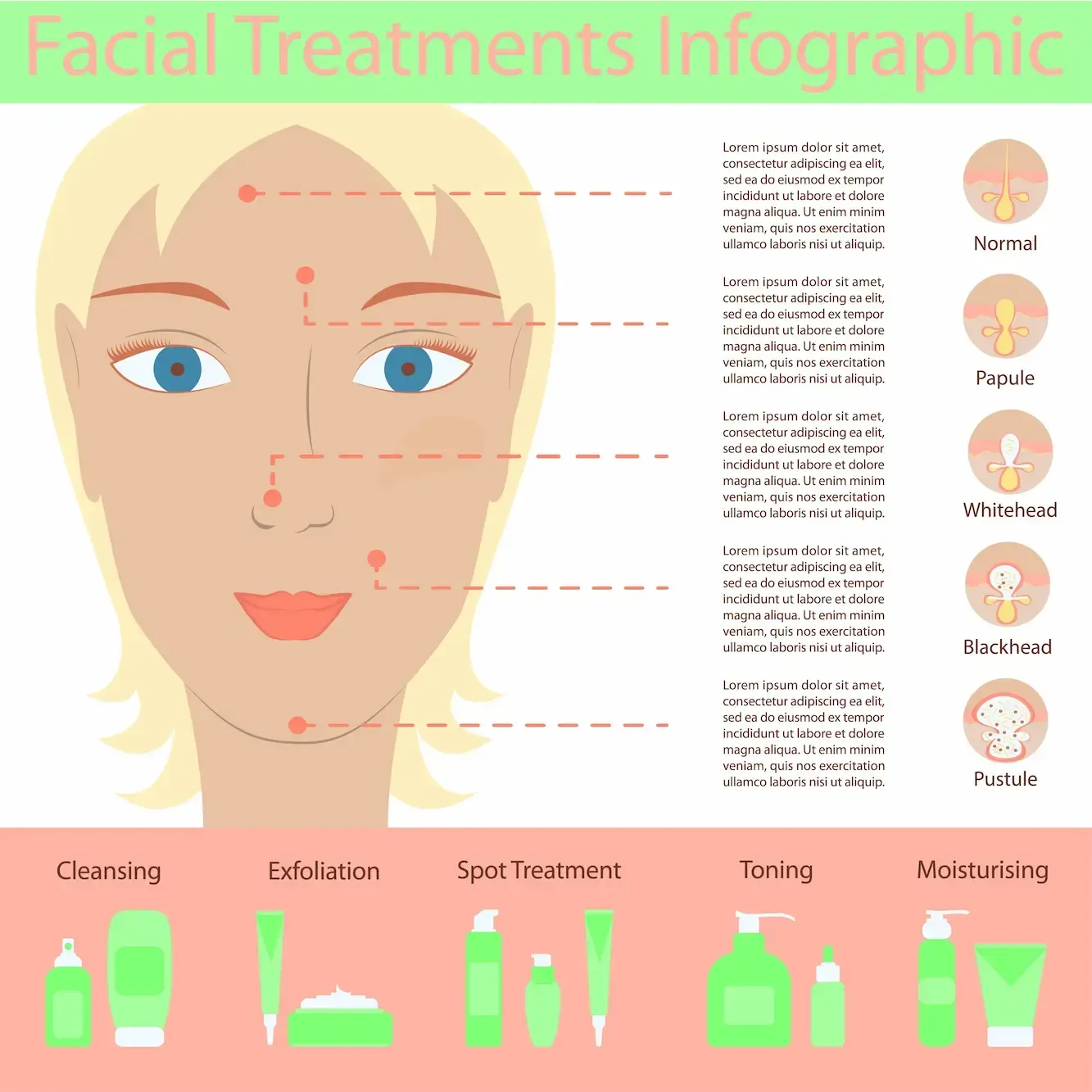


Infographic: Facial treatments. Woman's face with acne marked. Products listed. Acne types illustrated.

If your breakouts track with your cycle or you have conditions like PCOS (Polycystic Ovary Syndrome), we can prescribe specific oral contraceptive pills or medications like Spironolactone to block the androgens driving the oil production.


4. Isotretinoin (Roaccutane/Oratane)

For severe, cystic, or scarring acne that hasn't responded to other treatments, Isotretinoin is the gold standard.


  • The 1 Health Difference: Our GPs are experienced in prescribing and monitoring Isotretinoin. We guide you through the safety checks, blood tests, and side effect management, providing a powerful solution for long-term clearance.


Prevention: Stopping Scars Before They Start

The biggest risk of untreated acne is permanent scarring. Once a deep scar forms, it is difficult and expensive to remove.


Early intervention is key. By bringing the inflammation down quickly with medical treatment, we preserve the texture of your skin. If you already have scarring, we can discuss referral options for laser or resurfacing, but our primary goal is prevention.


What to Expect at Your Appointment

We know it can be intimidating to show someone your skin without makeup. Please be assured our team is non-judgmental and compassionate.


  1. The Assessment: We will look at your skin, ask about your skincare history, and check for any underlying medical triggers.
  2. The Plan: We will explain why you are breaking out and prescribe a regimen.
  3. The Timeline: Medical acne treatment isn't instant. It typically takes 6–12 weeks to see significant changes. We will set up follow-up appointments to monitor your progress and adjust dosages if needed.

Frequently Asked Questions (FAQ)

Do I need a referral to get Isotretinoin? In many cases, our GPs can initiate and manage Isotretinoin treatment without you needing to see a specialist dermatologist, provided safety criteria are met.


Does diet affect acne? While diet isn't the sole cause, high-glycaemic foods (sugar) and sometimes dairy can trigger breakouts in some people. We can discuss lifestyle factors during your consult.


Can adults get acne? Absolutely. Adult acne is very common, particularly in women, due to stress and hormonal fluctuations. You do not have to "grow out of it"—we can treat it.


Ready to Face the World with Confidence?

Don’t let acne control your life or leave a lasting mark. Find real solutions with 1 Health’s expert care.


We are open seven days a week with convenient parking at 1 Henry Wigram Drive, making it easy to fit your appointments around school or work.

Have Questions About Your Health?

Our clinicians at 1 Health are here to help — whether it’s GP care, dental, travel vaccines, or facial aesthetics. Book a consultation anytime.


Book Online:

https://www.1health.nz/contact


Call:

03 662 9309


Disclaimer:

This article is for general information only and is not medical advice. Every person’s health situation is different. For personalised guidance or diagnosis, please consult a qualified clinician.
Pink background with a white IUD surrounded by pink flowers and confetti.
by Bernard Teo 9 December 2025
Looking for long-term contraception? Compare Mirena (5 years) and Jaydess (3 years). Expert insertion and removal services available at 1 Health Wigram.
Person scratching arm with a rash, wearing a white t-shirt.
by Bernard Teo 9 December 2025
Have a soft lump under your skin? It might be a lipoma. We offer expert assessment and surgical removal (excision) at 1 Health Wigram. Minimal scarring.
Woman in white robe looking in mirror, touching face with fingers.
by Bernard Teo 9 December 2025
Persistent lump on your eyelid? It might be a Chalazion. We offer expert assessment and Incision & Curettage removal surgery at 1 Health Wigram. No referral needed.
Arm with a contraceptive implant visible beneath the skin, held between two fingers against a pink background.
by Bernard Teo 8 December 2025
Looking for long-term contraception? The Jadelle implant offers 99% effectiveness for up to 5 years. Book your insertion consultation at 1 Health Wigram.
Woman sitting outdoors, touching her foot, wearing black pants and sandals; sunny day.
by Bernard Teo 8 December 2025
Suffering from painful ingrown toenails? We offer expert assessment and permanent surgical solutions (Wedge Resection) at 1 Health Wigram. Book today.
Doctor examining a patient's shoulder with a dermatoscope; medical setting.
by Bernard Teo 8 December 2025
A complete guide to skin lesion assessment, surgical removal, and aftercare. Learn about dermoscopy, IV sedation options, and recovery at 1 Health Wigram.
Woman with closed eyes, hands framing face. Wearing white robe, neutral background.
by Simon Mullinger 25 November 2025
1 Health Wigram launches medical-grade facial aesthetics on Dec 1. From anti-wrinkle injectables to Rejuran skin boosters, discover our doctor-led approach to natural rejuvenation.
Two women smiling, sitting at a cafe table, holding coffee cups. Natural light illuminates the setting.
by Bernard Teo 25 November 2025
Refer a friend to 1 Health Aesthetics and earn $50 credit. Plus, they get 20% off their first treatment. Terms and conditions apply.
Aerial view of a sand spit between turquoise waters, with palm trees and a forested shoreline.
by Bernard Teo 24 November 2025
Planning an adventure through Southeast Asia? From the street food of Bangkok to the rice paddies of Vietnam and the beaches of Bali, this region offers unforgettable experiences for Kiwi travellers. However, nothing ruins a holiday faster than a preventable illness. At 1 Health in Wigram , we want you to come home with photos and memories, not a tropical disease. We have condensed the complex medical guidelines into this simple guide for Christchurch locals heading to Southeast Asia. The "Must-Consider" Vaccines While every itinerary is different, these are the most common risks for New Zealanders travelling to countries like Indonesia, Thailand, Vietnam, Cambodia, and Laos. 1. Hepatitis A (The "Food & Water" Risk) Hepatitis A is one of the most common travel-related diseases. It is a viral infection affecting the liver, spread through contaminated food and water. The Risk: You can pick this up even in 5-star resorts, usually through ice cubes, salads washed in tap water, or uncooked shellfish. The Protection: One dose gives you protection for up to a year (covering your trip). A second booster dose 6–12 months later can give you protection for 20+ years. Availability: We stock this on-site at 1 Health. 2. Typhoid Fever Like Hepatitis A, Typhoid is a bacterial infection spread through contaminated food and water. It causes severe fever and stomach pain. The Risk: Higher in areas with poor sanitation, but present throughout Southeast Asia. The Options: You can choose between a single injection (lasts ~3 years) or a course of oral capsules (lasts ~5 years). Timing: The injection needs 2 weeks to work; the capsules need to be finished 10 days before you fly. 3. Japanese Encephalitis (The "Mosquito" Risk) This is a viral infection spread by mosquitoes, primarily in rural agricultural areas (like rice paddies). Who needs it? If you are staying in major cities or beach resorts for a short time, the risk is low. However, if you are planning rural trekking, staying longer than a month, or backpacking through the countryside, this vaccine is strongly recommended. The Protection: Two doses are required (spaced 28 days apart, though an accelerated 7-day schedule is available for last-minute travellers). 4. Rabies (The "Animal" Risk) Southeast Asia has a high prevalence of rabies in stray dogs, monkeys, and bats. It is almost always fatal if untreated. Why vaccinate beforehand? "Pre-exposure" vaccination doesn't make you immune, but it buys you crucial time. If you are bitten, you will need fewer emergency injections, and—crucially—you won't need "Rabies Immunoglobulin" (a blood product that is often unavailable in remote parts of Asia). Who needs it? Cyclists, runners, wildlife volunteers, and children (who are more likely to touch animals) should seriously consider this. 
Doctor examining a patient's ear with an otoscope. Blue gloves and surgical mask visible.
24 November 2025
Blocked ears? Get safe, gentle microsuction ear wax removal in Christchurch. Fast relief, trained clinicians, and same-day appointments at 1 Health Wigram.