The Summer Skin Audit: Why You Need A Dermoscopy Mole Check This Summer
New Zealand has the highest rate of melanoma in the world. It is a sobering statistic we hear every year, but it hits much harder when the Canterbury summer arrives, the winter layers finally come off, and we suddenly notice a new spot on our shoulder that definitely was not there last year.
Mid-December through to February is traditionally the busiest time of year for our Wigram clinic. While many patients are coming in for travel vaccines, a huge portion are booking in because they are concerned about a changing freckle, a bleeding spot, or an "ugly duckling" mole.
At 1Health, we believe that early detection is the only defence that truly matters. But not all skin checks are created equal. A quick visual glance across your back is no longer the clinical standard.
In this comprehensive guide, our clinical team explains the vital difference between a visual check and a medical-grade dermoscopy assessment, how to spot the early warning signs of skin cancer at home, and why "waiting to see if it grows" is the most dangerous strategy you can adopt this summer.
Why The "Naked Eye" Is Not Enough: The Dermoscopy Difference
Many patients ask, "Can't I just keep an eye on it myself, or get my partner to look?"
The fundamental problem with a naked-eye visual check is that by the time a melanoma or skin cancer has become clearly visible and obvious on the surface of your skin, it may have already grown vertically down into the deeper dermal layers and blood supply.
At 1Health, Dr Bernard Teo (who holds a postgraduate Diploma in Dermatology and Skin Cancer Surgery) utilises advanced Dermoscopy for every skin check.
What Is Dermoscopy?
A dermatoscope is a specialised, handheld medical lens that combines high-level magnification with cross-polarised light. This technology completely eliminates the surface glare of the skin, allowing the clinician to look through the top layer (the epidermis) and clearly visualise the pigment structures, blood vessels, and cellular patterns underneath.
Think of it like looking at a frozen lake. With the naked eye, all you can see is the white ice on the surface. With a dermatoscope, we can suddenly see what is happening in the deep water below. This technology increases the diagnostic accuracy for early-stage melanoma significantly compared to standard visual inspection, allowing us to catch microscopic cellular changes months before they look dangerous to the human eye
At-Home Triage: The "Ugly Duckling" And ABCDE Rules
While you should always leave the final diagnosis to a professional, knowing what to look for between your routine skin checks is vital. There are two golden rules for monitoring your own skin at home:
1. The "Ugly Duckling" Sign
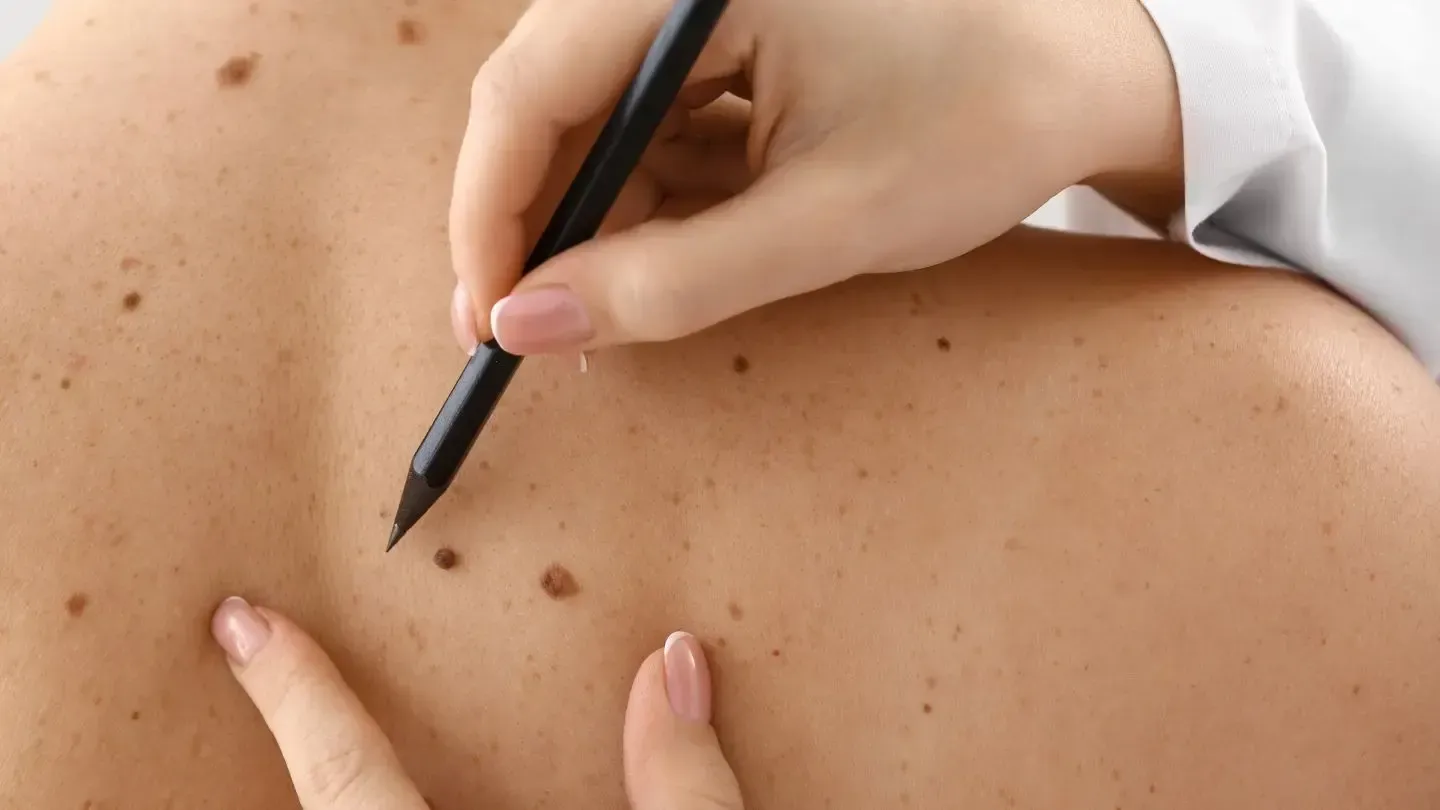
Most of your moles will look like "siblings"—they will share a similar shape, colour, and size profile. The Ugly Duckling rule simply states that any mole or lesion that stands out and looks completely different from its neighbours should be considered highly suspicious. If you have a back covered in light brown, flat freckles, and one dark, raised, or reddish nodule, that is your Ugly Duckling. It demands immediate professional evaluation.
2. The ABCDE Melanoma Checklist
When checking your skin in the mirror, use the internationally recognised ABCDE criteria to evaluate individual moles:
| Sign | What It Means | Red Flag Indicator |
|---|---|---|
| A - Asymmetry | Shape of the mole | One half of the mole does not match the other half. |
| B - Border | Edges of the mole | The edges are ragged, notched, blurred, or irregular. |
| C - Colour | Pigmentation | Uneven shades of black, brown, tan, red, white, or blue. |
| D - Diameter | Size of the lesion | Usually larger than 6mm (pencil eraser size), though melanomas can be smaller. |
| E - Evolving | Changes over time | The mole is changing in size, shape, colour, or height, or begins to itch or bleed. |
Common Summer Warning Signs To Watch For
- New Moles After Age 40: While it is normal for children and young adults to develop new moles, a brand-new mole appearing out of nowhere in your 40s or 50s warrants a clinical check.
- The "Pimple" That Will Not Heal: A sore, scaly patch, or pearly nodule that bleeds, scabs over, appears to heal, but then breaks down and bleeds again is a classic presentation of a Basal Cell Carcinoma (BCC) or Squamous Cell Carcinoma (SCC).
- Itchy Or Tender Spots: Normal moles should not hurt, tingle, or itch. If a lesion becomes symptomatic, get it checked immediately.
What Happens During A Skin Check?
If you have never had a professional skin check before, it can feel slightly daunting. We strive to make the process as comfortable, respectful, and efficient as possible. Here is exactly what happens at our Wigram clinic:
Step 1: The Clinical History
We begin by assessing your personal risk profile. We will ask about your history of severe sunburns, your family history of melanoma, your occupation (outdoor vs indoor work), and whether you are taking any immunosuppressive medications.
Step 2: The Systematic Examination
You will be asked to undress down to your underwear (your modesty and comfort are always strictly preserved). The doctor will use the dermatoscope to systematically check your skin. For a full body check, this includes often-missed, high-risk areas such as the scalp, behind the ears, the soles of your feet, and between your toes.
Step 3: The Diagnosis And Traffic Light System
If we find a suspicious lesion, we evaluate it under high magnification and apply a clinical traffic light system:
- Green Light: The lesion is completely benign (harmless). We offer immediate reassurance and record its baseline appearance.
- Amber Light: The lesion is atypical or indeterminate. Depending on the structure, we may photograph it and recommend active monitoring (a follow-up check in 3 months), or we may perform a quick punch biopsy under local anaesthetic to test a tiny tissue sample.
- Red Light: The lesion displays clear dermoscopic features of skin cancer. We will recommend surgical excision (removal).
The 1Health Advantage: Check And Treat Under One Roof
The major drawback of standalone "mole mapping" photography clinics is that they are often run by technicians, not doctors. If they spot a dangerous mole, they hand you a USB drive or a report and tell you to go and book an appointment with your GP or a surgeon to actually deal with it. This causes immense anxiety and delays your treatment.
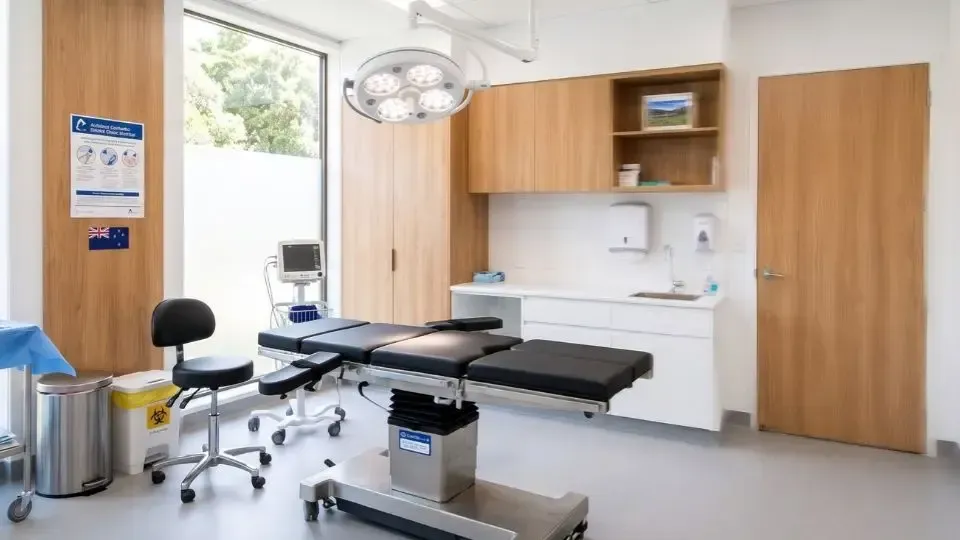
At 1Health, we are a fully equipped Minor Surgery Centre.
If a mole needs removing, you do not need to be referred out, join a public hospital waiting list, or hunt for a private surgeon. We handle the entire process onsite:
- Immediate Excision: We numb the area with local anaesthetic and surgically remove the suspicious mole with a safe clinical margin.
- Laboratory Histology: Every single lesion we remove is sent to the pathology laboratory for microscopic analysis to definitively confirm the diagnosis and ensure clear margins.
- Cosmetic Closure: Dr Teo utilises advanced, fine-suturing techniques (including elliptical closures and minor skin flaps) to ensure the resulting scar is as minimal and cosmetically neat as possible.
Practical Summer Sun Safety In Canterbury
While we have the surgical skills to treat skin cancer, our ultimate goal is prevention. The ozone layer above New Zealand is notoriously thin, and Canterbury's UV index frequently hits extreme levels between November and March.
Remember the non-negotiable basics this summer:
- SPF 50+ Is Mandatory: Apply broad-spectrum sunscreen 20 minutes before you go outside, not when you are already burning at the beach. Reapply every two hours.
- Mind The Clock: The New Zealand sun is at its most destructive between 10:00 am and 4:00 pm. Seek shade during these peak hours.
- Physical Barriers: Sunscreen is only your second line of defence. A wide-brimmed hat, UV-rated sunglasses, and a long-sleeved shirt are your primary armour.
Frequently Asked Questions
How Long Does A Skin Check Take (Single vs Double Appointment)?
To ensure your appointment is thorough and never rushed, our booking structure is based on the number of spots requiring assessment:
- Single Appointment (13 minutes): Dedicated to assessing 1 to 3 specific moles. If you have a couple of individual spots you are concerned about, this appointment allows for focused dermoscopic examination and a clear management plan.
- Double Appointment (26 minutes): Required for a comprehensive, Full Body Skin Check. A complete head-to-toe examination takes time to do properly—checking your scalp, torso, limbs, and between your toes without rushing ensures no hidden spots are missed.
Do I Need A Referral To Book A Skin Check At 1Health?
No. You do not need a referral from another doctor, and you do not need to be an enrolled patient at 1Health to access our skin cancer clinic. We welcome casual patients from across Christchurch who want an expert dermoscopy assessment.
What If I Only Have One Specific Mole I Am Worried About?
If you are confident the rest of your skin is clear but have one "ugly duckling" that is causing you anxiety, you can book a standard Single Appointment (13 minutes). Dr Teo will focus specifically on that lesion, evaluate it with the dermatoscope, and advise whether it needs to be biopsied or removed.
Does Having A Mole Removed Hurt?
No. If a lesion requires surgical excision, we use a highly effective local anaesthetic to completely numb the area first. You will feel a tiny scratch from the initial numbing injection, but the removal procedure itself is completely painless.
Book Your Skin Check In Wigram
Skin cancer is highly treatable when caught early, but devastating when ignored. Do not let a nagging worry about a changing mole ruin your summer holiday.
Contact 1Health today to book your expert dermoscopy skin check. A comprehensive check takes under half an hour, but it could save your life.
- Book Online: [Reserve Your Skin Check Online]
- Call Our Reception: 03 662 9309
Medical Disclaimer: This guide provides general health information and does not replace personalised clinical assessment. If you have a bleeding, rapidly changing, or painful mole, please book a medical consultation immediately.
Have Questions About Your Health?
Our clinicians at 1 Health are here to help — whether it’s GP care, dental, travel vaccines, or facial aesthetics. Book a consultation anytime.
Book Online:
https://www.1health.nz/contact
Call:
Disclaimer:
This article is for general information only and is not medical advice. Every person’s health situation is different. For personalised guidance or diagnosis, please consult a qualified clinician.